



Training is for the dogs
For more than 15 years, OCTA has organized an annual training day for service animals and their handlers, allowing them the chance to ride the bus in a controlled environment. This year’s training took place on a recent Saturday at a nearby theme park and provided an opportunity for the animals to become acclimated to situations that are often crowded, loud and unfamiliar.
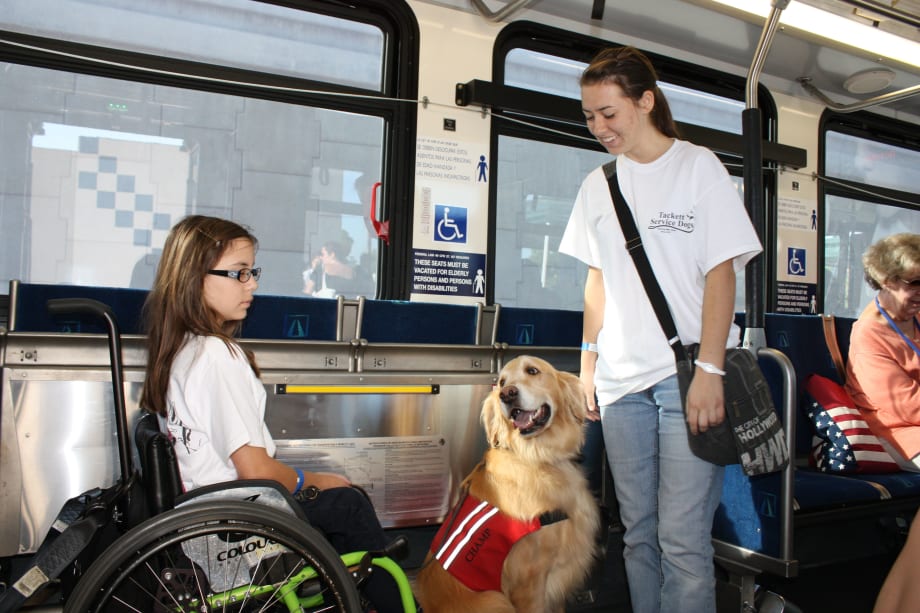
One after the other, their paws clicked against the metal ramp leading into the bus — Golden Retrievers, Labradors, Poodles and a handful of mutts. Some were veterans of riding transit, some nervous newcomers. On the end of each dog’s leash was a handler participating in a unique service animal training offered by the Orange County (Calif.) Transportation Authority (OCTA).
For more than 15 years, OCTA has organized an annual training day for service animals allowing dogs — or other service animals — the chance to ride the bus in a controlled environment. The training is vital because many animals can be apprehensive of the vibrations and noises made by the bus and from the opening and closing of bus doors, making the ride difficult for the animal and their handler.
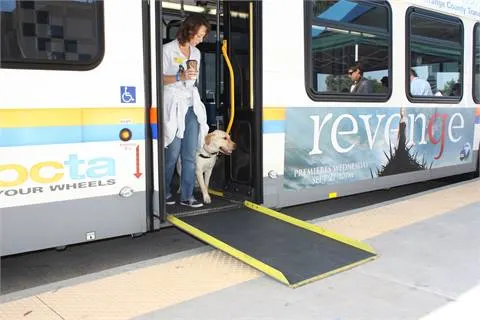
The training, which took place on a recent Saturday, drew approximately 125 people from throughout Southern California. Facilitated by our Training Operations Department, the event covers a half day and begins at a park-and-ride facility. Buses that are not in service arrive approximately every 20 minutes and travel a route of about six miles roundtrip. The coach operators pull in at bus stops along the route, allowing dogs and their handlers to exit and enter as often as they’d like.
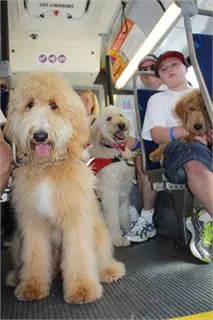
In addition, for the fourth year, OCTA teamed up with Knott’s Berry Farm to allow animals and their handlers to enter the theme park free of charge. This provides an excellent opportunity for dogs to become acclimated to situations that are often crowded, loud and unfamiliar.
Dennis Cajili, who works with the organization Paws for Healing, said this training is a perfect opportunity to socialize a dog.
“This is really good because of the controlled environment OCTA offers,” he said. “Being out in public can be overwhelming for a dog, and I don’t want to expose one to the public without proper training.”
Cajili, and others who attended, said they greatly appreciated the annual training because there are very few similar opportunities.
“The more the dogs experience, the more they can do for people and the less they will be afraid,” said Sharon Fry of Tackett Service Dogs.
Over the years, OCTA has developed a strong relationship with agencies that serve those with special needs, nonprofits and private companies that train service animals. Unique to Orange County, they help spread the word about the event throughout Southern California. The Training Operations Division also teams up with our Public Communications and Media Relations Department to publicize the event and promote participation.
We all know that transit provides a critical public service for millions of Americans. At OCTA, more than four million times a month a passenger boards one of our buses and many of those passengers have special needs.
One of our greatest responsibilities as a public agency is to ensure that all of our customers feel safe and secure regardless of their needs. The service animal training does a remarkable job in accomplishing this goal.
Whether those who participated in the training are on buses here in Orange County, or in San Diego, Los Angeles or Palm Springs, we are very happy to provide the opportunity to enhance their transit riding experience.
I would encourage other agencies throughout the country to consider similar training. We would be very pleased to provide any information or assistance regarding this worthwhile program.
In case you missed it...
Read our METRO blog, "'One for the rail fans" here.
More Blog Posts
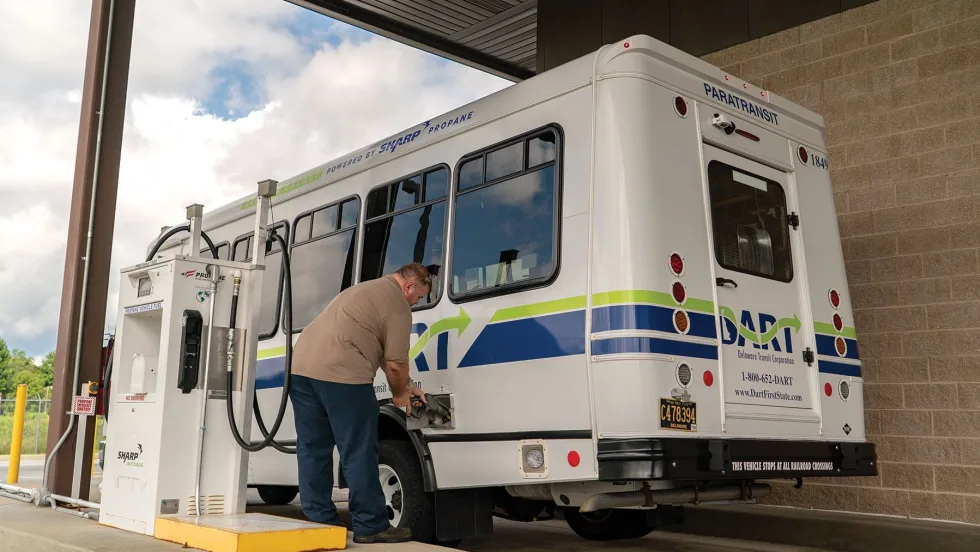
Building a Winning FTA Grant Proposal: Why Propane Autogas is the Pragmatic Choice for Fleet Resilience
With $610 million available through the FY 2026 Buses and Bus Facilities Competitive Program and the Low or No Emission Grant Program, agencies must build a compelling case before the September 21 deadline that balances environmental compliance with operational feasibility.
Read More →
Velo-city Conference 2026: Latest Trends in Cycling as Part of Urban Mobility
The global cycling conference highlighted how cities are integrating bicycles into multimodal transportation networks, expanding cycle tourism and reshaping urban mobility.
Read More →
Kindness Isn’t Soft...It’s Strategic.
Mike Bismeyer — often known as “The Kindness Guy” — has spent more than 17 years in public transit and mobility, serving in industry leadership roles, speaking across North America, and advocating for stronger workplace cultures. But his message doesn’t come from theory. It comes from lived experience.
Read More →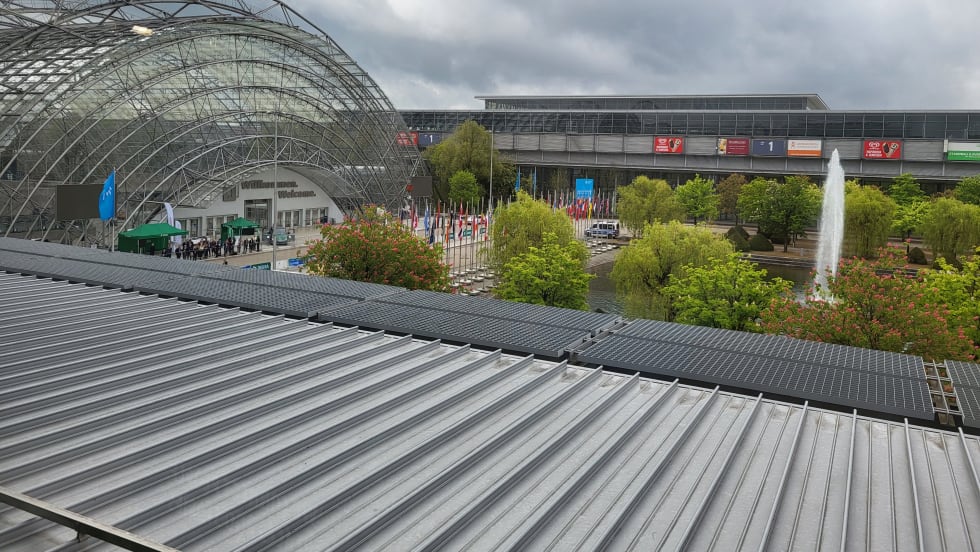
Inside ITF 2026: Transport Reacts to A Challenging World
Transport leaders from around the world gathered in Leipzig, Germany, for the 2026 International Transport Forum to discuss resilience, climate impacts, supply chains and the future of sustainable mobility.
Read More →
Every Ride Tells a Story — But You’re Not Just Selling the Ride
You’re selling the moment, the meaning, and the emotion behind it.
Read More →
How Digital Signage is Reshaping the Traveler Experience at Transportation Hubs
What was once a landscape of static signs has evolved into a responsive, immersive environment powered by real-time visual communication.
Read More →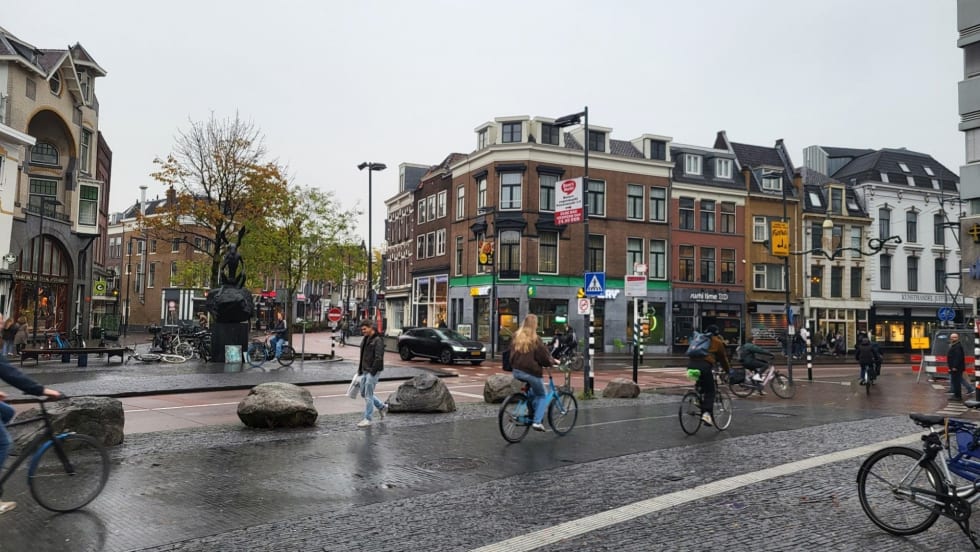
Latest Trends in Urban Mobility from Polis Conference 2025
Polis comprises cities and regions, as well as corporate partners, from across Europe, promoting the development and implementation of sustainable mobility. This year’s event had over a thousand attendees across various policy forums and an exhibition.
Read More →
Why Transit Leaders Require Better Tools for Operational Clarity In Today’s Tech-Fragmented Environment
Across North America and beyond, transit agency officials are contending with a perfect storm of operational headaches and strategic challenges that hamper daily service and long-term progress.
Read More →
The Powerless Brokers: Why California Can’t Build Transit
It is no secret that transit in the U.S. is slow and expensive to build.
Read More →
Why Transport Sustainability Should Focus on People Instead of Cars
Simply incentivizing electrification is not enough to make a meaningful impact; we must shift our focus toward prioritizing public transportation and infrastructure.
Read More →