



Unique solutions replace frequency vs. coverage debate
The way I see it, that’s the same as asking if you want an ice cream shop in your town to serve you faster or if you would you like them in more locations.

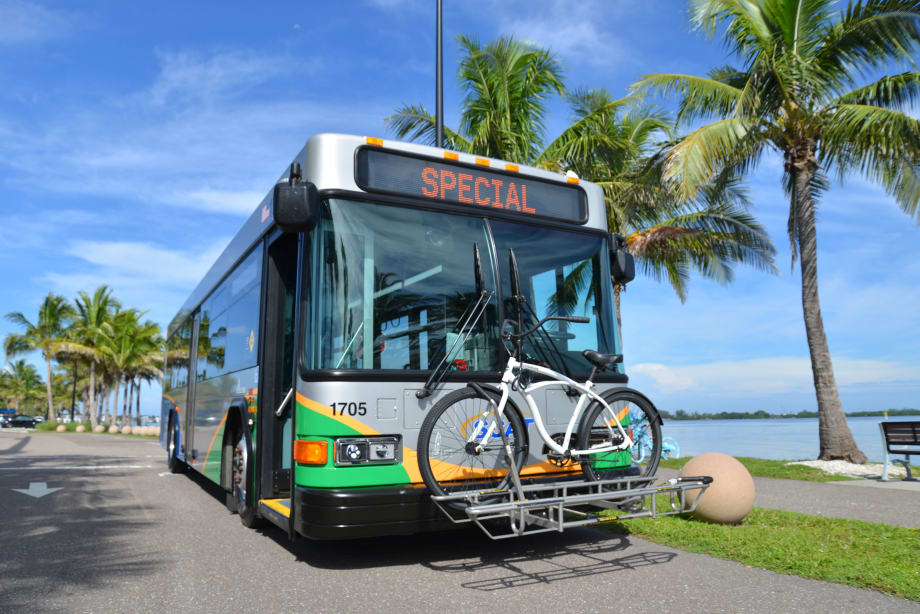
Sarasota, Fla.’s County Board of Commissioners to investigate more innovative options for the community’s transit service — SCAT.
SCAT
Sarasota, Fla.’s County Board of Commissioners to investigate more innovative options for the community’s transit service — SCAT.
SCAT
By far the most common topic on meeting agendas and discussed at workshops and conferences this year has been centered around mobility. After all these conversations, I’ve discovered that mobility means something different to different people, even within our industry.
For some, mobility planning is limited to frequency vs. coverage. The way I see it, that’s the same as asking if you want an ice cream shop in your town to serve you faster or if you would you like them in more locations. The thing is, sometimes you don’t want ice cream at all. What you really want is a burger.
For too long the transit industry has driven 40-foot buses around worn routes hoping people will get on. Empty buses and over-subsidized costs to keep them running are like charging higher prices at the ice cream shop for flavors no one wants. Some argue it’s what we’ve always done. Our customers have to take what we’re selling. Not anymore.
Review costs, productivity
In Sarasota, Florida, we recently worked with the County Board of Commissioners to investigate more innovative options for the community’s transit service — SCAT — to deliver high-quality service to customers in a way that is sustainable for Sarasota County’s taxpayers.
We conducted a review of costs and productivity for every route by time of day to assess the level of county subsidy that the route required, identify patterns in unproductive service, and to benchmark against peer agencies. We also conducted case study research on the various models and results to-date of innovative mobility solutions, ranging from fully-subsidized partnerships with TNCs like Uber and Lyft to comprehensive and seamless multimodal planning tools (TARC’s new mobility app).
Along with data-driven analysis and recommendations, we illustrated the potential impacts of alternative mobility solutions through easy-to-understand customer journeys contrasting the time and cost it would take for a customer to make a particular trip using the system today with what that same trip could look like in the future.
SCAT now has a framework for realizing more than $2 million in annual cost savings while serving more customers. The ice cream menu can now be expanded to include other options.
The right ‘ice cream’
We recently saw a news story out of Innisfil, Ontario, Canada where the municipal leaders agreed to subsidize Uber to meet the transit needs of Innisfil citizens. Uber is the right "ice cream" in that community.
To suggest, as some have, that no way is there a relationship between TNCs and transit is short-sighted and void of understanding consumer interests.
If we’re truly going to offer mobility, we need to service ice cream, french fries, and a burger. And if someone asks for it, let them put cheese on it too. That’s what mobility is: offering unique options in a cost-effective way that matches consumer demand. Rather than offering just ice cream because that’s what we’ve always dished up.
Mark R. Aesch (@MarkAesch) is CEO of TransPro Consulting.
More Blog Posts
Building a Winning FTA Grant Proposal: Why Propane Autogas is the Pragmatic Choice for Fleet Resilience
With $610 million available through the FY 2026 Buses and Bus Facilities Competitive Program and the Low or No Emission Grant Program, agencies must build a compelling case before the September 21 deadline that balances environmental compliance with operational feasibility.
Read More →
Velo-city Conference 2026: Latest Trends in Cycling as Part of Urban Mobility
The global cycling conference highlighted how cities are integrating bicycles into multimodal transportation networks, expanding cycle tourism and reshaping urban mobility.
Read More →
Kindness Isn’t Soft...It’s Strategic.
Mike Bismeyer — often known as “The Kindness Guy” — has spent more than 17 years in public transit and mobility, serving in industry leadership roles, speaking across North America, and advocating for stronger workplace cultures. But his message doesn’t come from theory. It comes from lived experience.
Read More →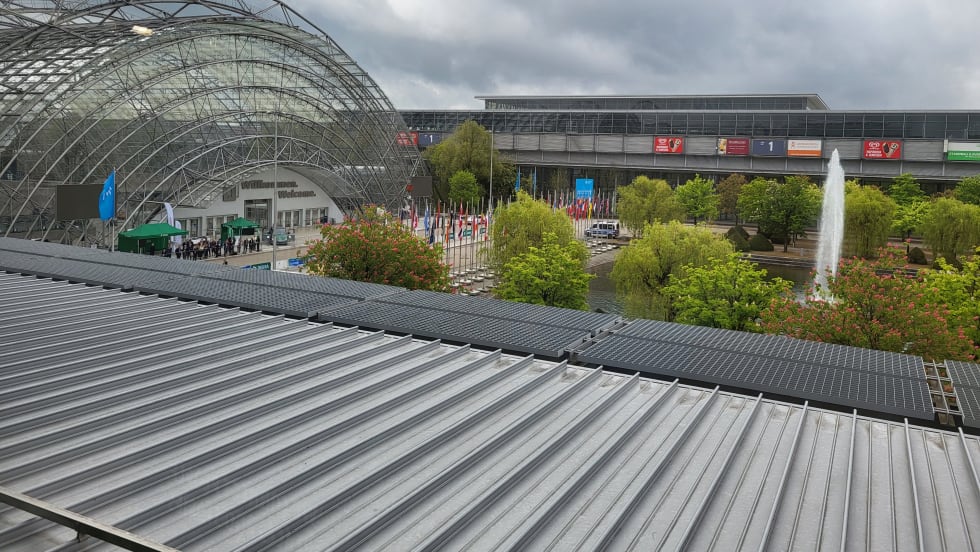
Inside ITF 2026: Transport Reacts to A Challenging World
Transport leaders from around the world gathered in Leipzig, Germany, for the 2026 International Transport Forum to discuss resilience, climate impacts, supply chains and the future of sustainable mobility.
Read More →
Every Ride Tells a Story — But You’re Not Just Selling the Ride
You’re selling the moment, the meaning, and the emotion behind it.
Read More →
How Digital Signage is Reshaping the Traveler Experience at Transportation Hubs
What was once a landscape of static signs has evolved into a responsive, immersive environment powered by real-time visual communication.
Read More →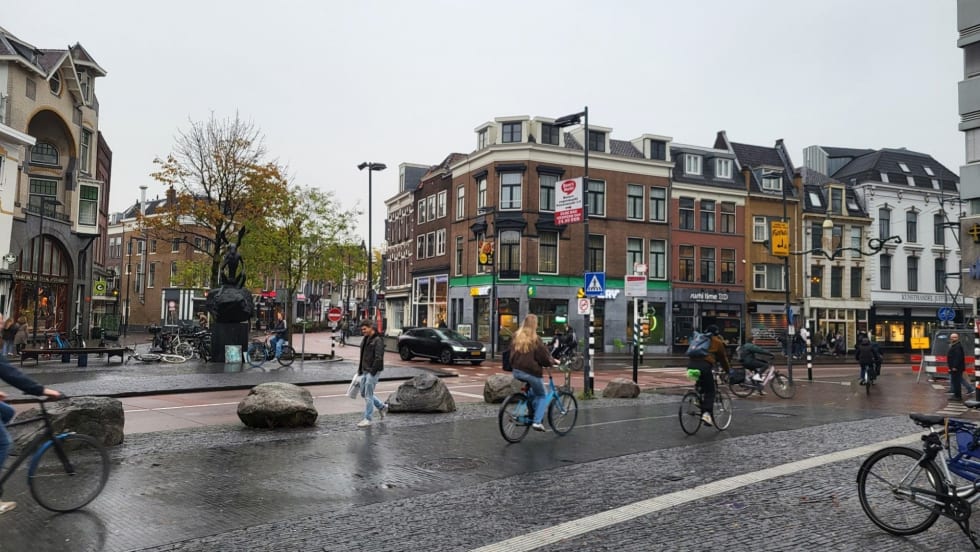
Latest Trends in Urban Mobility from Polis Conference 2025
Polis comprises cities and regions, as well as corporate partners, from across Europe, promoting the development and implementation of sustainable mobility. This year’s event had over a thousand attendees across various policy forums and an exhibition.
Read More →
Why Transit Leaders Require Better Tools for Operational Clarity In Today’s Tech-Fragmented Environment
Across North America and beyond, transit agency officials are contending with a perfect storm of operational headaches and strategic challenges that hamper daily service and long-term progress.
Read More →
The Powerless Brokers: Why California Can’t Build Transit
It is no secret that transit in the U.S. is slow and expensive to build.
Read More →
Why Transport Sustainability Should Focus on People Instead of Cars
Simply incentivizing electrification is not enough to make a meaningful impact; we must shift our focus toward prioritizing public transportation and infrastructure.
Read More →