What to Do When Metros Can't Expand Highways Further
The era of simply widening roads to accommodate more traffic is no longer enough. It's time to shift from a car-oriented approach to an options-oriented one, where cars are just one of many transportation choices.
Daniel Hutton・VP, Transportation & Mobility, at Denver South
This reimagining of how we move people and goods is crucial not only within urban centers but also in suburban areas, where nearly 70% of the population resides.
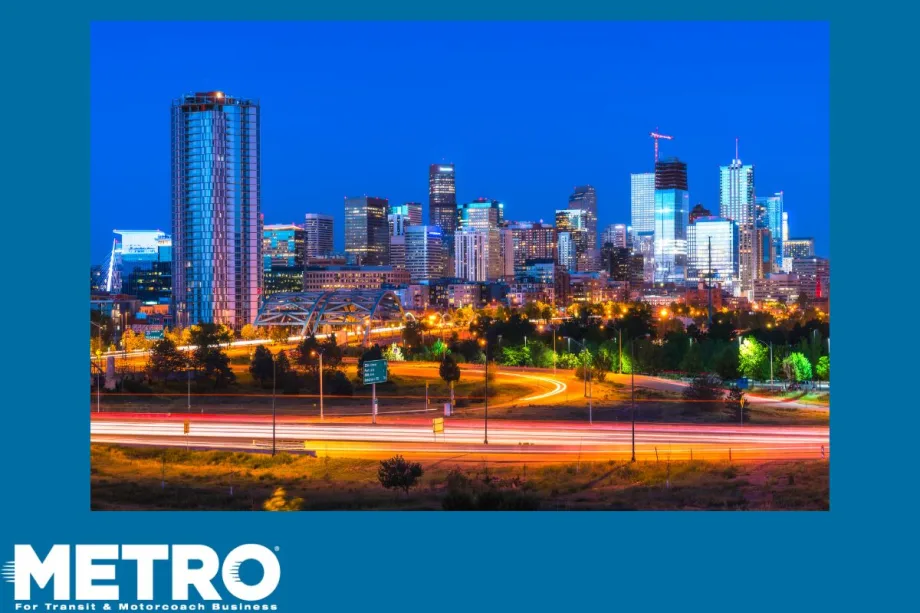
Photo: Canva
5 min to read
As cities evolve, traditional transportation approaches are being tested.
The era of simply widening roads to accommodate more traffic is no longer enough. It's time to shift from a car-oriented approach to an options-oriented one, where cars are just one of many transportation choices.
Ad Loading...
This reimagining of how we move people and goods is crucial not only within urban centers but also in suburban areas, where nearly 70% of the population resides.
The move marks a significant shift in Denver’s urban mobility, driven by the need to tackle climate change and meet greenhouse gas reduction targets.
CDOT recognized that expanding highways could worsen congestion due to induced demand, where increased road capacity leads to more vehicles and higher emissions.
Additionally, highway expansion faces physical limits — roads have finite space, and as traffic grows, this space becomes increasingly constrained.
Ad Loading...
In response, CDOT is exploring alternative approaches to provide more sustainable transportation choices and better utilize available space.
The shift aligns with insights from Denver South’s 2024 I-25 Corridor Study.
The study reveals that major routes like I-25 are approaching capacity, with traffic volumes expected to rise significantly by 2050.
Moreover, the Denver South region is projected to see substantial development, with 53,000 new jobs and a significant increase in housing units by 2042.
By examining population growth, employment trends, and transportation patterns, the study reveals a clear path forward: a shift toward more sustainable and efficient mobility solutions.
Ad Loading...
This underscores the need for innovative transportation strategies that cater not only to urban centers but also to expanding suburban areas to accommodate increasing traffic and development.
Beyond Highway Expansion
The challenge of limited highway expansion is not unique to Denver.
Many major metropolitan areas across the U.S. are facing similar constraints. Cities like Houston and Los Angeles have recognized the limitations of highway expansion and are shifting their focus towards urban mobility and alternative transportation modes.
Even in traditionally highway-dependent regions, a growing understanding of road expansion’s limitations is emerging.
The "No More Lanes" movement in Houston, in response to the massive Katy Freeway expansion, exemplifies this shift in thinking.
Ad Loading...
As cities grapple with increasing traffic congestion, the need for innovative and sustainable solutions becomes increasingly apparent.
Successfully managing traffic congestion often involves a paradigm shift, focusing on fundamentally changing how people move around our cities.
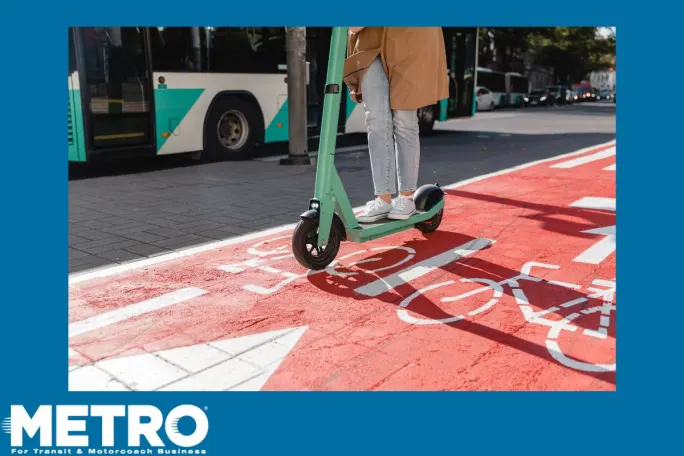
E-scooters, bikes, and other micromobility solutions offer flexible and efficient transportation choices for shorter trips, reducing reliance on personal vehicles.
Photo: Canva
Alternative Modes & ITS
As urban and suburban areas evolve, a multifaceted approach is required to address the growing traffic congestion. This includes leveraging innovative technologies, a robust network of alternative transportation options, and a strong emphasis on traffic congestion management and urban mobility innovation.
While many downtowns have embraced technologies such as e-scooters and bike-sharing programs, suburban areas have traditionally lagged behind.
Incorporating these technologies in suburban settings can have a transformative impact, enhancing connectivity to urban areas and reducing reliance on personal vehicles.
Ad Loading...
Solutions include:
Micromobility Options: E-scooters, bikes, and other micromobility solutions offer flexible and efficient transportation choices for shorter trips, reducing reliance on personal vehicles. These options are particularly promising for suburbs due to extra lane space on roadways, wide sidewalks, and shared spaces. They’re also appealing to younger generations and those seeking convenient, environmentally friendly transportation.
First and Last Mile Connectivity: By providing convenient and accessible options for the first and last mile of a journey, we can encourage more people to choose public transit. In suburban settings, the challenge lies in connecting people to transit hubs, often two to three miles away. Bike-sharing programs and microtransit services can bridge this gap, addressing the critical connection problem suburban commuters face.
Virtual Lane Expansion: Intelligent transportation systems (ITS) can optimize traffic flow through real-time data analysis and traffic signal coordination, effectively creating "virtual lanes" and reducing congestion.
Real-Time Transit Updates: Reliable and accurate information about transit schedules and delays empowers riders to make informed decisions, increasing ridership and reducing reliance on personal vehicles. Real-time data, coupled with user-friendly apps, can transform the public transit experience, making it a more attractive option for commuters.
When considering "fast service," it’s important to focus on the entire journey, not just transit ride times. Factors like walking distance to stations, wait times, and overall travel experience affect public transit appeal.
Overcoming perceptions of cost, reliability, and safety, especially in car-centric areas, is key to boosting ridership.
Ad Loading...
Collaborative Mobility Strategies
The Denver South region has made progress with initiatives such as the Link on Demand shuttle service, SPIN micromobility options, and the promotion of the Alternative Transportation Tax Credit program.
The programs demonstrate how Denver South and other suburban regions are well-positioned as testing grounds for strategies that might be applied more broadly to address congestion and emissions.
By convening stakeholders from across regions and working together with neighboring communities, we can leverage shared resources, knowledge, and expertise to develop effective solutions. Through these collaborative efforts, we can learn from each other's successes and failures, explore innovative strategies, pilot new technologies, and measure progress collectively.
The future of transportation depends on offering a variety of options that work together to meet our communities' needs.
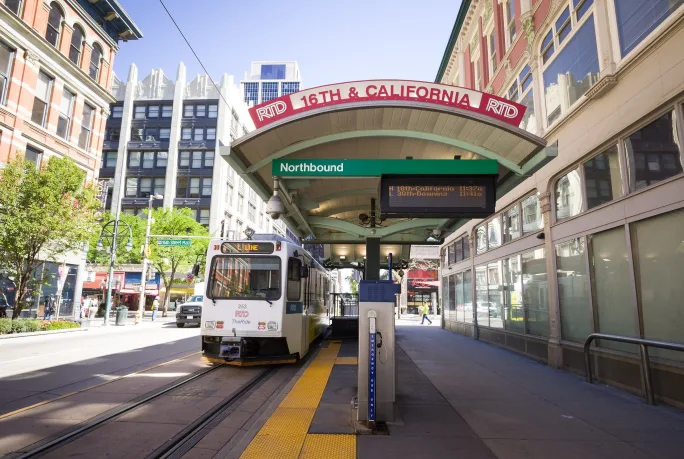
Photo: Denver RTD
Embracing a Future of Alternative Transportation
The future of transportation depends on offering a variety of options that work together to meet our communities' needs.
Ad Loading...
As traffic, costs, and environmental challenges rise, expanding highways alone isn't enough. Investing in public transit, micromobility, and smart technologies — alongside car use — can create more sustainable, efficient, and livable communities.
It's time to rethink our transportation systems and build a future where traffic congestion is a thing of the past, and everyone can navigate freely and efficiently.
With $610 million available through the FY 2026 Buses and Bus Facilities Competitive Program and the Low or No Emission Grant Program, agencies must build a compelling case before the September 21 deadline that balances environmental compliance with operational feasibility.
The global cycling conference highlighted how cities are integrating bicycles into multimodal transportation networks, expanding cycle tourism and reshaping urban mobility.
Mike Bismeyer — often known as “The Kindness Guy” — has spent more than 17 years in public transit and mobility, serving in industry leadership roles, speaking across North America, and advocating for stronger workplace cultures. But his message doesn’t come from theory. It comes from lived experience.
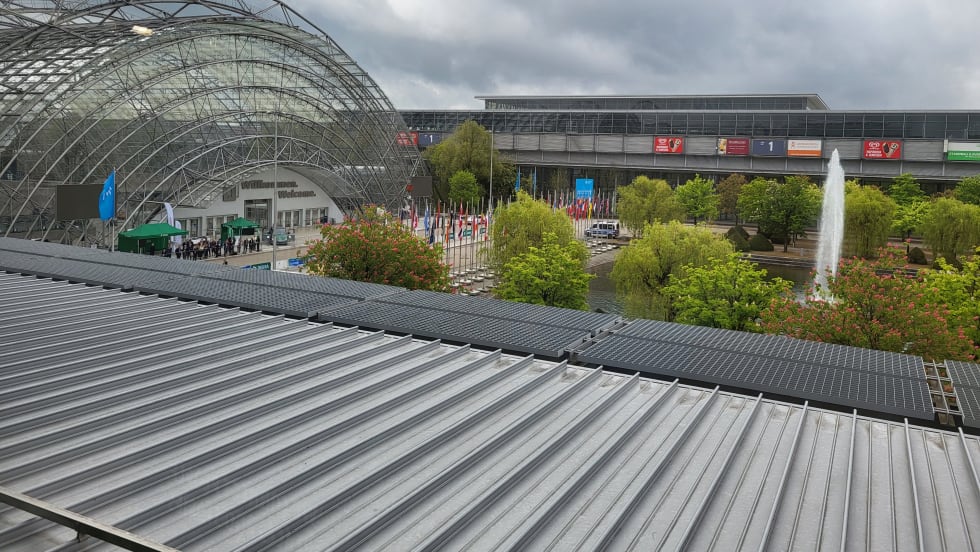
Transport leaders from around the world gathered in Leipzig, Germany, for the 2026 International Transport Forum to discuss resilience, climate impacts, supply chains and the future of sustainable mobility.
Polis comprises cities and regions, as well as corporate partners, from across Europe, promoting the development and implementation of sustainable mobility. This year’s event had over a thousand attendees across various policy forums and an exhibition.
Across North America and beyond, transit agency officials are contending with a perfect storm of operational headaches and strategic challenges that hamper daily service and long-term progress.
Simply incentivizing electrification is not enough to make a meaningful impact; we must shift our focus toward prioritizing public transportation and infrastructure.