




Read More: MBTA Highlights 2023 Achievements in Infrastructure, Workforce, and More
MBTA Proposes Low-Income Fare Program
If approved by the MBTA Board of Directors, these fare changes would go into effect in spring and summer 2024.
January 26, 2024

This new program would apply on the Commuter Rail and would apply to the MBTA paratransit customers on the RIDE.
Photo: MBTA
3 min to read
The Massachusetts Bay Transportation Authority (MBTA) announced fare change proposals that aim to improve equity, increase ridership, and simplify fare rules, including the introduction of a reduced fare program for riders with low income.
Building upon the Healey-Driscoll Administration’s FY24 budget that includes $5 million for the MBTA to develop a low-income fares program, the new program would provide riders who are aged 26-64, non-disabled, and have low income with reduced fares of approximately 50% off on all MBTA modes.
Program participants will demonstrate eligibility via existing enrollment in programs with a cutoff of 200% of the federal poverty line (or lower).
Where Does the New Program Apply?
This new program would apply on the Commuter Rail and would apply to the MBTA paratransit customers on the RIDE, cutting the price for ADA trips in half for eligible riders.
“We are incredibly excited about this program, which will make a difference in the lives of residents across the state and provide greater affordability, opportunity, and access to all MBTA service for residents as they travel throughout the week,” said Massachusetts Transportation Secretary/CEO Monica Tibbits-Nutt. “This underscores the bold vision and commitment of the Healey-Driscoll Administration to deliver equitable, reliable, and resilient transportation in a big way.”
If approved by the MBTA Board of Directors, these fare changes would go into effect in spring and summer 2024.
The MBTA estimates the cost of the program to be approximately $52-62 million (including administrative costs, operating costs to meet induced demand, and fare revenue loss).
More than 60,000 riders are expected to qualify for and enroll in the program, which is expected to result in 7 million more trips per year.
To make the program further accessible throughout Massachusetts communities, the MBTA said it will partner with third-party Community-Based Partners to manage in-person customer service and eligibility verification.
Other MBTA Efforts
The MBTA is beginning 2024 with the goal of improving equity, increasing ridership, and more. Looking back at the past year shows the agency has been committed to improving all aspects of transit.
In September 2023, the MBTA announced it had provided an update to the Board of Directors on its efforts to increase the agency’s environmental sustainability and resilience.
The MBTA released agency-wide goals to guide its work, including a goal focused on reducing environmental impacts and increasing the resilience of the transit system.
The agency then launched the Bus Priority Vision and Toolkit. Through partnerships with communities and municipalities, bus priority allows the MBTA to make bus transit faster and more efficient through the creation of dedicated bus lanes, the implementation of transit signal priority, and the use of queue jumps.
In November, the MBTA launched its Track Improvement Program, an initiative to eliminate all existing speed restrictions and fix tracks closer to a state of good repair by the end of next year.
The program is part of the MBTA’s efforts to “Rebuild, Restore, and Reimagine” the public transit system.
More Management

APTA 2026 TRANSform & EXPO Kicks Off in Chicago
After 45 years, APTA returns to Chicago with a focus on next-generation fleets, AI, connected transit networks, and the funding strategies shaping public transportation’s future.
Read More →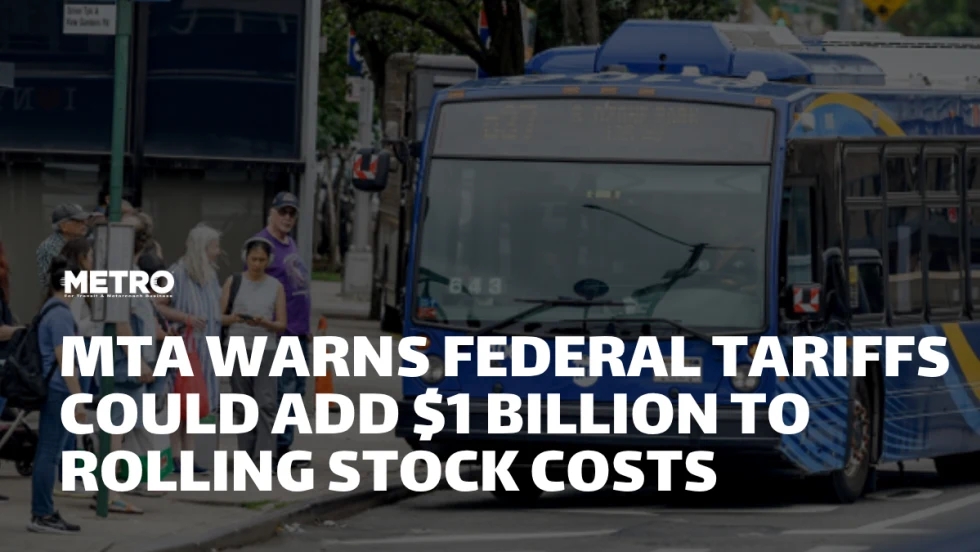
New York MTA Warns Federal Tariffs Could Add $1 Billion to Rolling Stock Costs
The agency said tariffs on specialized imported components could reduce the purchasing power of its $23 billion investment in new subway cars, railcars, and buses.
Read More →
From the Show Floor: What’s Happening at APTA TRANSform & EXPO 2026
Follow the latest product launches, partnerships, technology updates, and transit industry announcements coming out of APTA TRANSform & EXPO in Chicago.
Read More →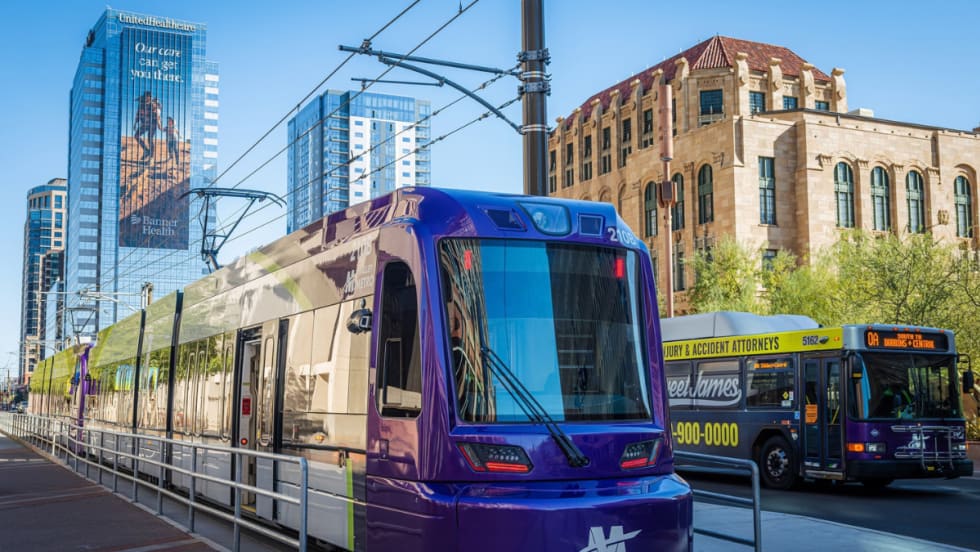
How Valley Metro Is Balancing Transit Growth With the Rider Experience
The APTA award-winning agency is pairing rapid system expansion with investments in workforce, safety, technology, and the fundamentals of transit service.
Read More →
Bus Tech Talk: Keeping Transit Technicians Ahead of the Technology Curve
In this episode of Bus Tech Talk, Complete Coach Works’ Business Development Manager Mark Hollenbeck and METRO’s Executive Editor Alex Roman sit down with Obed Mejia, Senior Technical Trainer for Bus Maintenance, at LA Metro to discuss how rapidly evolving bus technology is changing the maintenance shop — and the skills technicians need to keep pace.
Read More →
Michael Schneider Joins Paslay Group to Expand Transportation Practice
The longtime transportation executive will help Paslay Group grow its advisory and program management work across transit, highway, and other infrastructure sectors.
Read More →
People Movement: Connectpoint Expands Leadership Team, Stadler Names New Group CEO, and More
In this edition, we also spotlight recent personnel moves at Burns, UZURV, and more, highlighting the people taking on new roles across the transportation industry.
Read More →
More Than a Summer Job: Building the Next Generation of Transit Talent
The Delaware River Port Authority and PATCO have transformed their internship program into a hands-on professional development experience that introduces students to the breadth of transportation careers — and creates a pipeline for future employees.
Read More →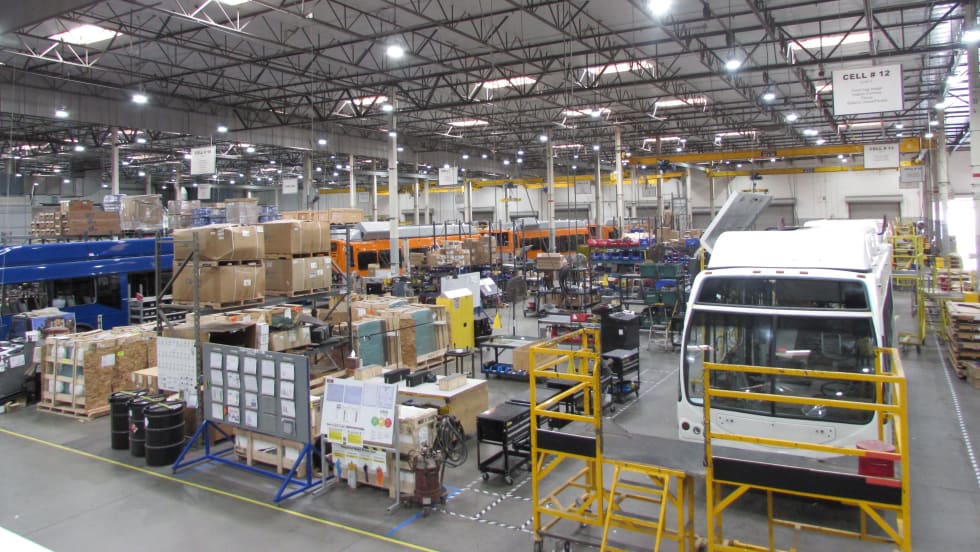
LA Metro Board Awards 220 Battery-Electric Bus Contract to ENC
The contract, which is the largest base award of battery-electric buses by a U.S. transit agency, will be built in Southern California, sustaining good jobs as LA prepares to welcome the world in 2028
Read More →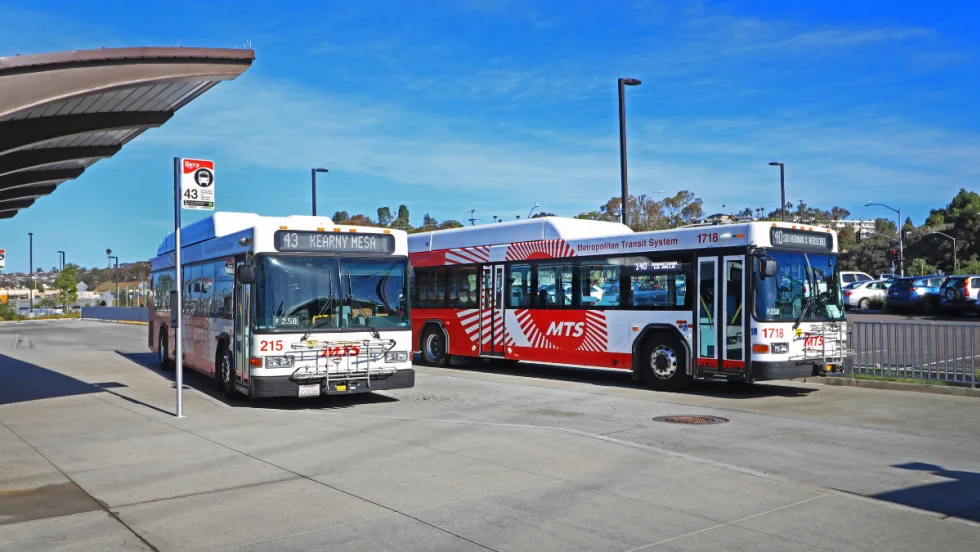
What’s Behind San Diego MTS’s Award-Winning Transit Strategy
Named one of APTA’s 2026 Outstanding Public Transportation Systems with 50 million or more annual passenger trips, California’s San Diego Metropolitan Transit System points to gains in ridership, safety, technology, and reliability as foundations of its success.
Read More →