



Proposed SEPTA Fare Adjustments Look to Address $240M Budget Deficit
While the state budget includes a small additional distribution to SEPTA, it is less than one-fourth of what the authority originally requested, and the need for a permanent solution grows more urgent by the day.

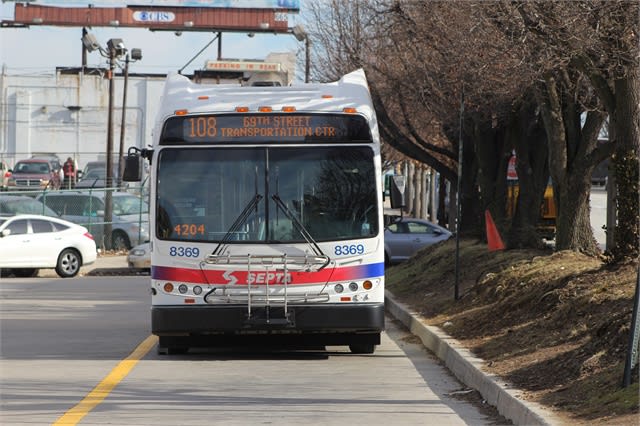
SEPTA’s last fare increase was in 2017. Planned fare increases in 2020 were deferred due to the pandemic.
Photo: SEPTA
Philadelphia’s SEPTA announced proposed fare adjustments, including the elimination of a number of discounts, as the authority faces a $240 million annual budget deficit with the exhaustion of federal COVID relief funds.
While the state budget includes a small additional distribution to SEPTA, it is less than one-fourth of what the authority originally requested, and the need for a permanent solution grows more urgent by the day.
“The SEPTA Board has worked tirelessly to advocate for transit funding,” said SEPTA Board Chair Kenneth E. Lawrence Jr. “We are optimistic about an agreement on funding in Harrisburg; however, we need to act now to ensure that SEPTA is best positioned to provide reliable service to the city and region.”
SEPTA’s Proposal
The proposal would bring the Travel Wallet fare on buses, subways, and trolleys to $2.50, which is the same as the cash fare.
Free transfers on transit would remain, and SEPTA would eliminate restrictions on direction of travel for transfers — introducing new flexibility that would allow for more roundtrips on a single fare.
The proposal would also increase most single-trip fares on Regional Rail and align Travel Wallet and Quick Trip pricing. All daily, weekly, and monthly passes would remain the same price.
In addition, three Zone 2 stations would become Zone 1 stations. Customers with weekly or monthly TransPass+ would have access to Regional Rail services at Overbrook, Wissahickon, and Tulpehocken stations at no additional cost — bringing the total number of Zone 1 stations to 18.
The change supports the vision of SEPTA’s Reimagining Regional Rail plan to integrate Regional Rail with SEPTA Metro and Bus.
“We worked hard to make sure this fare proposal is equitable,” said SEPTA CEO/GM Leslie S. Richards. “We know that no one wants to pay more for anything, but we are pulling out all the stops to try to avoid devastating service cuts. Without new state transit funding, we will have to consider additional fare increases in the spring. What we are announcing today is an initial step toward planning for our uncertain future.”
SEPTA Fare Increases
SEPTA’s last fare increase was in 2017. Planned fare increases in 2020 were deferred due to the pandemic.
The proposed fare adjustments would generate an additional $14.4 million in annual revenue.
SEPTA also continues to evaluate fiscal measures to reduce budgeted spending, including putting a hold on non-essential employee travel, hiring, and other expenses.
The authority has enacted close to $20 million for Fiscal Year 2025 so far. The efforts build on SEPTA’s Efficiency and Accountability Program, which has already realized $50.2 million in recurring annual revenues and cost savings.
Maintaining Funding
SEPTA must ensure that funding is available to continue to focus on efforts that are making the system safer, cleaner, and more secure.
Since last fall, the authority has hired 40 new police officers, and serious crime has decreased by 37% during the first half of this year.
With more officers, SEPTA is enhancing enforcement of offenses such as fare evasion, smoking, and quality-of-ride issues.
The authority is also looking to add more full-length gates at stations to help prevent fare evasion, following a successful pilot of this new technology.
SEPTA will hold public hearings regarding the proposed fare adjustments in October.
Pending approval by the SEPTA board on November 21, these proposed fare adjustments would go into effect on Dec. 1.
More Management

METRO Opens Submissions for 2026 Motorcoach Awards
Nominations are now being accepted for METRO Magazine’s Operator of the Year and Innovative Operator of the Year awards.
Read More →
New York MTA Advances Final Contract for Second Avenue Subway Expansion
Contract Four is the largest in the Second Avenue Subway Phase 2 project and includes construction of station infrastructure, tracks, and signals for the subway expansion, MTA officials said. Work on Contract Four will begin in 2027.
Read More →
Transit Agencies Highlight Safety Gains at National Summit
Leaders from 15 major transit systems shared crime-reduction results and safety initiatives while discussing the role of continued federal support.
Read More →

NITA Names New Leadership, Expands Reduced-Fare Program at First Board Meeting
The new regional transit authority appointed its first board chair and interim executive director while extending reduced fares across CTA, Metra, and Pace for eligible riders.
Read More →
Beyond the Checklist: A Structured Approach to Transit Maintenance
Reliability-Centered Maintenance helps transit agencies move beyond routine checklists to focus limited resources on the assets and failures that have the greatest impact on safety, reliability, and service.
Read More →
APTA 2026 Nominating Committee Selects Leadership Slate, Names Chair and Vice Chair Nominees
Leadership changes will help shape the association’s priorities and its representation of the transportation industry during the 2026–2027 term.
Read More →
DART Launches Major Security, Fare Enforcement Initiative
The 90-day demonstration will deploy coordinated security teams at five light rail stations while testing controlled access and gathering data to guide future investments.
Read More →
Advancing Fare Collection Through Technology and Innovation
Learn about delivering 1300 gates at 91 stations while managing fare evasion. Explore the large scale deployment, solution customization and real-world results that affect the region. Prepare for deployment in your region now.
Read More →
Game Day in Motion: Moving Millions During the 2026 World Cup
Between packed transit stations and team motorcoaches, see how agencies and operators across North America tackled the transportation demands of the 2026 FIFA World Cup.
Read More →
Surface Transportation Extension Averts Shutdown, Leaves Transit Funding Gap
The stopgap keeps federal transportation programs moving, but missing advance funding could complicate the transit and rail projects agencies are planning next.
Read More →