TransLink: Half of Transit Services Cut without New Funding
The agency is facing a funding gap of approximately $600 million each year — a shortfall in the budget to operate current transit service levels throughout the region.
Without funding, TransLink faces the prospect of cutting transit services to balance its budget.
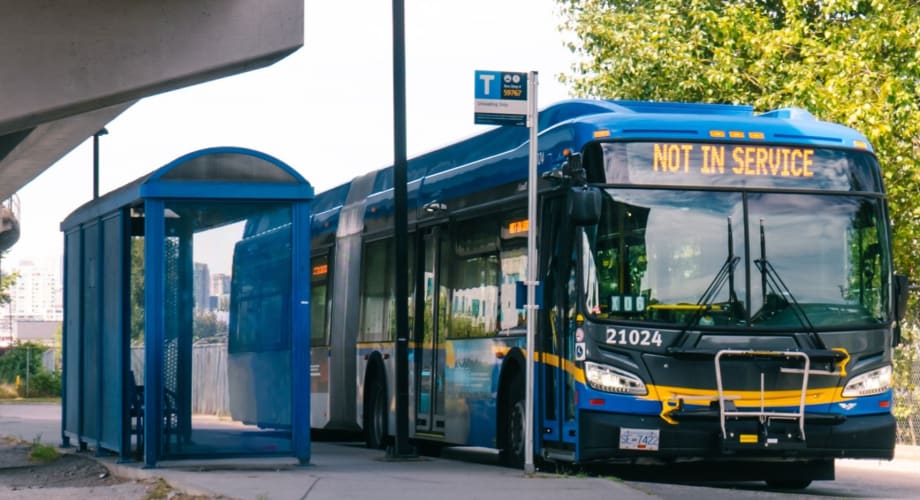
Photo: TransLink
4 min to read
Vancouver’s TransLink is releasing a new report detailing potential future transit service cuts that would be necessary at the end of 2025 if a new transit funding model is not established.
TransLink is facing a funding gap of approximately $600 million each year — a shortfall in the budget to operate current transit service levels throughout the region.
Ad Loading...
Without funding, TransLink faces the prospect of cutting transit services to balance its budget.
Budget Shortfall Impact
According to the new report prepared at the request of the Mayors’ Council, the $600 million annual operating budget shortfall would result in significant cuts to all transit services, including cutting bus service in half, reducing SkyTrain and SeaBus trips by up to one-third, and potentially eliminating the West Coast Express commuter service.
“These cuts would be devastating to the region, and we’re doing everything we can to stop them from happening,” says TransLink CEO Kevin Quinn. “Unfortunately, this is a window into our reality if a solution to our outdated funding model is not implemented. We need all levels of government to come together to protect and expand transit service to meet the needs of Metro Vancouver’s growing population.”
Relief funding from the Government of BC has been pivotal in protecting service levels since the pandemic, which has resulted in TransLink being a leader in ridership recovery for major transit agencies in Canada and the U.S.
However, this relief funding is coming to an end in 2025, and a new solution is required to address this gap.
While TransLink is seeking approximately $600 million in annual operating funding to avoid transit service cuts, it also requires new funding to expand transit services through the Access for Everyone plan.
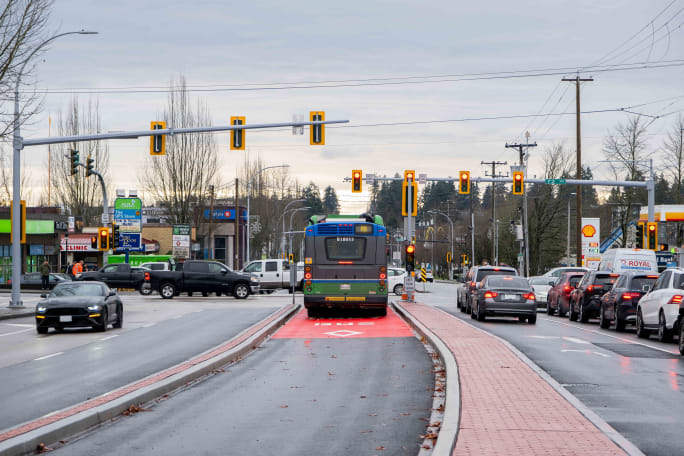
Photo: TransLink
Potential Service Cuts
If a solution is not found next year, potential cuts to transit services could include:
Cutting bus service in half, including cancelling up to 145 bus routes and all NightBus services.
Reducing SkyTrain and SeaBus services by up to 30%.
Eliminating West Coast Express.
Reducing HandyDART by 35%.
Eliminating the Local Government Funding Program which invests in road maintenance and local infrastructure upgrades.
The substantial reductions to transit service would significantly impact the entire Metro Vancouver region:
Ad Loading...
More than half a million people will no longer be living within walking distance of a transit stop, disproportionately impacting those who are low-income, visible minorities, shift workers, youth, and seniors.
There would be almost no transit services operating in Langley, White Rock, South Delta, Port Coquitlam, Maple Ridge, Pitt Meadows, and much of the North Shore.
Tens of thousands of more cars would be added to the already-congested streets and bridges, with congestion worsening by 20%.
Employers in health care, childcare, hospitality, construction, and major industries would face the prospect of employees who can no longer make it to work.
Once service is cut, it would take at least a decade to return transit services and ridership back to current levels, even if investments return.
Additional Funding Needed
While TransLink is seeking approximately $600 million in annual operating funding to avoid transit service cuts, it also requires new funding to expand transit services through the Access for Everyone plan.
The plan includes doubling the bus service and adding projects, such as the UBC SkyTrain extension, a new rapid transit link to the North Shore, the Burnaby Mountain Gondola, and new bus rapid transit routes.
TransLink is asking all levels of government to develop a sustainable funding model that would allow transit services to keep up with the region’s growing population.
Ad Loading...
There are several issues with TransLink’s current funding model, including:
Decline in revenue from fuel taxes
The regional shift toward electric and hybrid vehicles is causing a decline in fuel tax revenue.
In 2023 alone, TransLink collected $34 million less revenue from the fuel tax than in 2022, with the losses projected to grow over the next decade.
Fare increases below inflation
Due to the pandemic, the 2020 fare increase was cancelled and held at levels below inflation in 2021 to 2024.
With no fare increase in 2020 and 2.3% increases in all subsequent years, TransLink’s costs have risen faster than fare prices have increased.
TransLink is asking all levels of government to develop a sustainable funding model that would allow transit services to keep up with the region’s growing population.
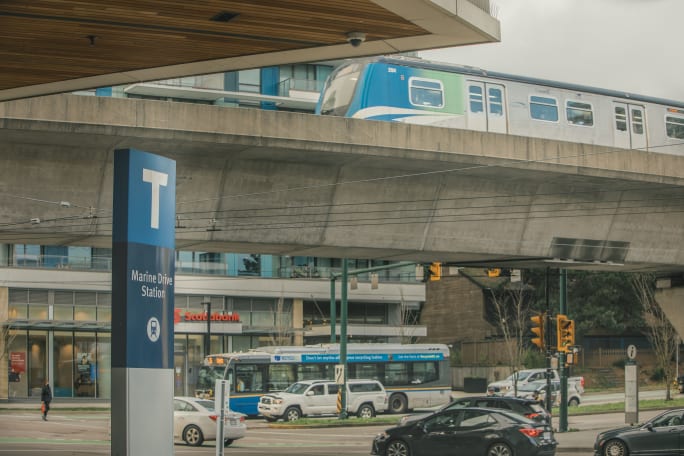
Photo: TransLink
Increasing costs and expansion
Costs of construction, labor, fuel, maintenance, and new vehicles have been increasing at unprecedented rates.
Additional operating costs for expanding the bus service and for new expansion projects like the Broadway Subway Project and Surrey–Langley SkyTrain which will require significant funding to operate once complete.
Ad Loading...
TransLink and the Mayors’ Council continue to work with all levels of government to find a new sustainable funding model to avoid any potential service cuts.
Contract Four is the largest in the Second Avenue Subway Phase 2 project and includes construction of station infrastructure, tracks, and signals for the subway expansion, MTA officials said. Work on Contract Four will begin in 2027.
The new regional transit authority appointed its first board chair and interim executive director while extending reduced fares across CTA, Metra, and Pace for eligible riders.
Reliability-Centered Maintenance helps transit agencies move beyond routine checklists to focus limited resources on the assets and failures that have the greatest impact on safety, reliability, and service.
The 90-day demonstration will deploy coordinated security teams at five light rail stations while testing controlled access and gathering data to guide future investments.
Learn about delivering 1300 gates at 91 stations while managing fare evasion. Explore the large scale deployment, solution customization and real-world results that affect the region. Prepare for deployment in your region now.
Between packed transit stations and team motorcoaches, see how agencies and operators across North America tackled the transportation demands of the 2026 FIFA World Cup.
The stopgap keeps federal transportation programs moving, but missing advance funding could complicate the transit and rail projects agencies are planning next.