



WMATA Finds Ridership Trending Up Compared to Forecasts
Through March, ridership has exceeded the initial forecast by 28 million passenger trips as more people chose bus and rail for travel throughout the region.
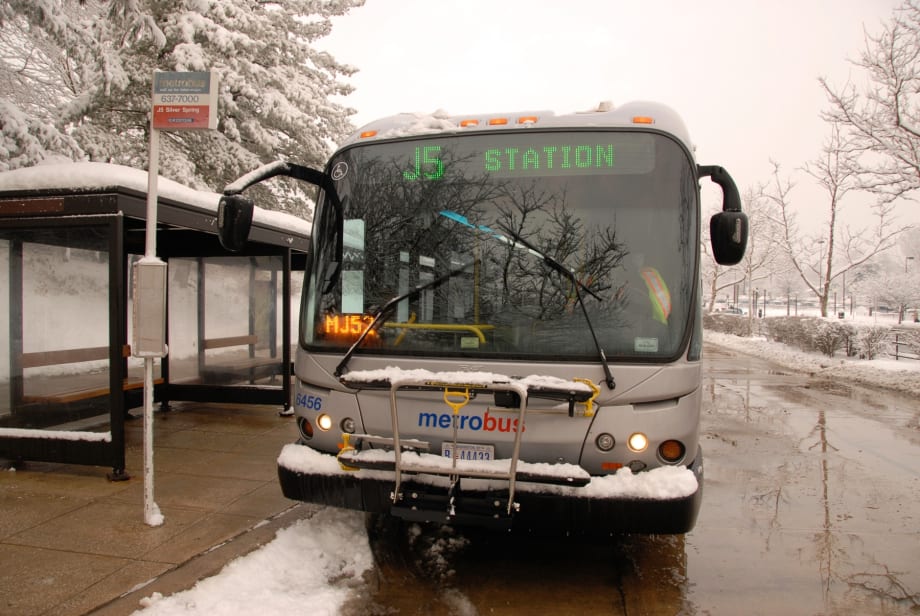
Metrobus leads the way, accounting for 60% of overall WMATA ridership, compared to about 40% for rail.
Larry Levine
Washington Metropolitan Area Transit Authority (WMATA) ridership is outpacing projections through the first three quarters of fiscal year 2022 by nearly 40%, the agency reported.
Through March, ridership has exceeded the initial forecast by 28 million passenger trips as more people chose bus and rail for travel throughout the region. Metrobus leads the way, accounting for 60% of overall WMATA ridership, compared to about 40% for rail.
People returning to offices, higher gas prices, the return of large-scale events, and robust tourism are driving the resurgence. Ridership more than doubled as of March. Parking usage has tripled over the same period.
Following a slowdown in ridership recovery during the emergence of Covid variants, WMATA ridership rebounded in March and boosted by businesses resuming in-person work, as well as visitors attending activities and events during cherry blossom season. Average weekday rail ridership peaked Tuesday through Thursday at 230,000 and bus at 280,000.
Ridership continued to trend up in April, reaching as high as 300,000 on Metrobus. During peak times the number of riders continued to climb, showing an uptick in SmartBenefits® usage. SmartBenefits users nearly tripled since January with a pandemic high of 66,000 riders.
“People returning to Metro reduces traffic, combats climate change, and delivers clients, customers and employees to federal workplaces and local businesses,” said GM/CEO Paul J. Wiedefeld. “As the region transitions out of the pandemic and our services continue to improve this summer, we expect more residents and visitors will choose Metro.”
The trend is positive news for the agency’s bottom line, improving the financial outlook for the fiscal year ending June 30. More riders also mean more revenue from advertisers looking to capitalize on WMATA’s increasing customer base. Advertising revenue sold in the system has more than doubled and is $2 million ahead of last year’s budget. Revenue from advertising supports operations.
While ridership is expected to remain below pre-Covid numbers as the region’s travel behaviors change, Metrobus has reached 61% of pre-pandemic ridership levels. The positive trends for bus and rail are expected to continue, as the board-approved budget continues more frequent bus service through the next fiscal year and rail frequency improvements are anticipated in late summer with the restoration of the 7000-series railcars to the fleet.
More Management
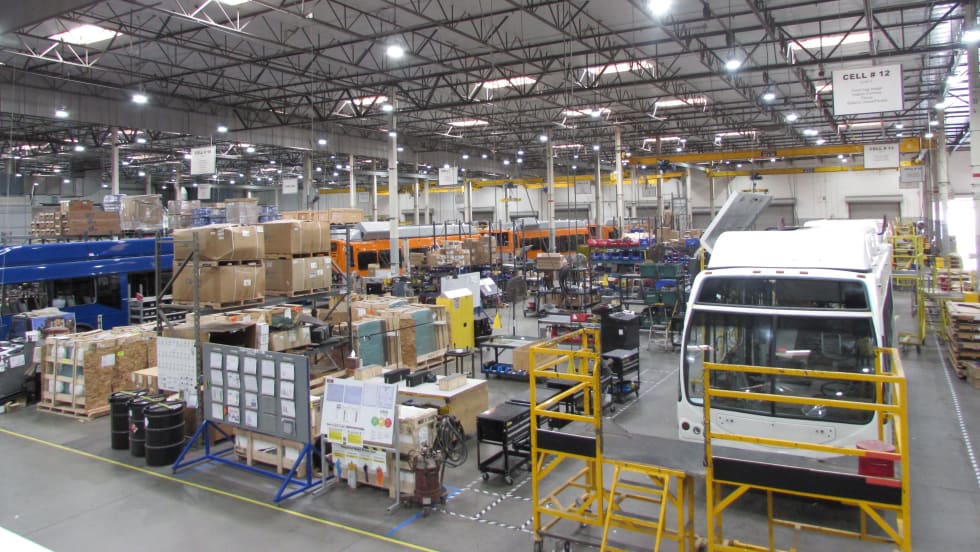
LA Metro Board Awards 220 Battery-Electric Bus Contract to ENC
The contract, which is the largest base award of battery-electric buses by a U.S. transit agency, will be built in Southern California, sustaining good jobs as LA prepares to welcome the world in 2028
Read More →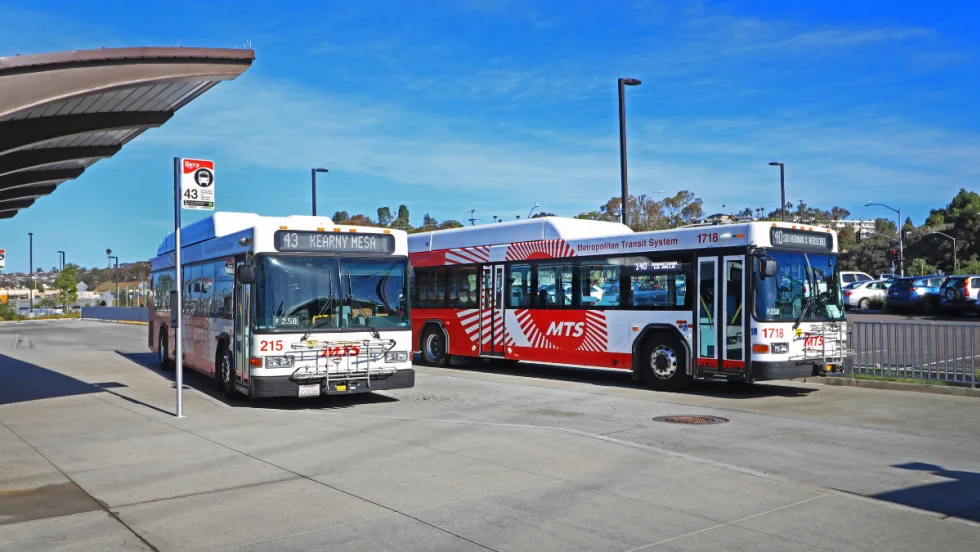
What’s Behind San Diego MTS’s Award-Winning Transit Strategy
Named one of APTA’s 2026 Outstanding Public Transportation Systems with 50 million or more annual passenger trips, California’s San Diego Metropolitan Transit System points to gains in ridership, safety, technology, and reliability as foundations of its success.
Read More →
Public Transit Conference Returning to GFX in 2027, Call for Papers Now Open
The Call for Papers is now open, allowing transit agency professionals and industry experts to help shape the PTC educational program by submitting session ideas for consideration.
Read More →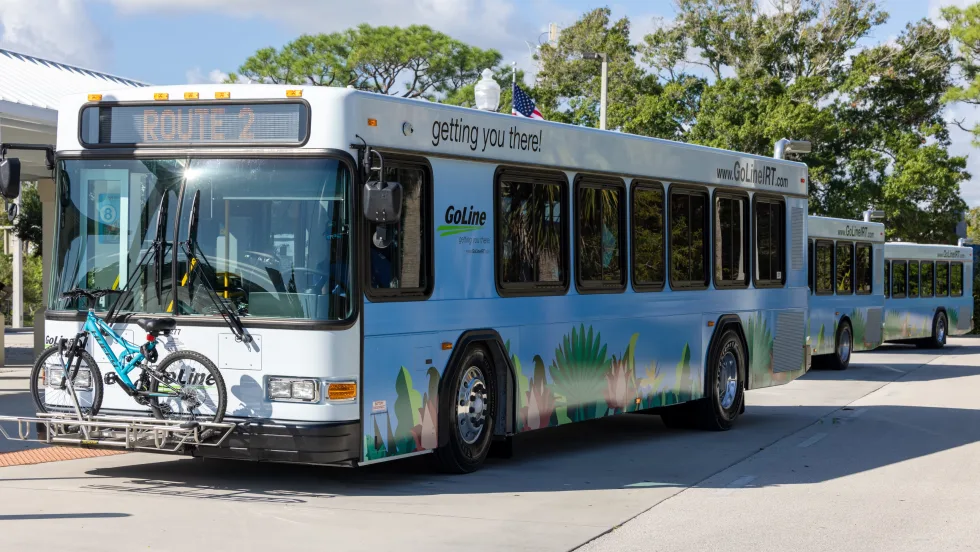
Indian River Transit’s Community-Focused Approach Earns National Recognition
Named APTA’s 2026 Outstanding Public Transportation System in its size category, Florida’s Indian River County transit system continues to grow ridership through fare-free service and a focus on evolving community needs.
Read More →
ENC Lands MATA Contract and More in Biz Briefs
In this edition of Biz Briefs, we spotlight the latest developments shaping the future of mobility.
Read More →
From Surviving to Thriving: Building Stronger Transportation Organizations
Bus Business Consultants founder Brian Dickson shares lessons on leadership, organizational health, and creating options for long-term success in a changing transportation industry.
Read More →
Everett Transit, Community Transit Outline Consolidation Agreement
The proposed agreement calls for a 50% increase in bus service in Everett, a new microtransit zone, continued paratransit service, and the transfer of Everett Transit operations to Community Transit.
Read More →
Strada360’s Steve Lassey on Turning Transit Data Into Better Decisions
From breaking down data silos to preparing for AI, Strada360 CEO Steve Lassey discusses how transit agencies can use technology to improve operations, customer information, and long-term decision-making.
Read More →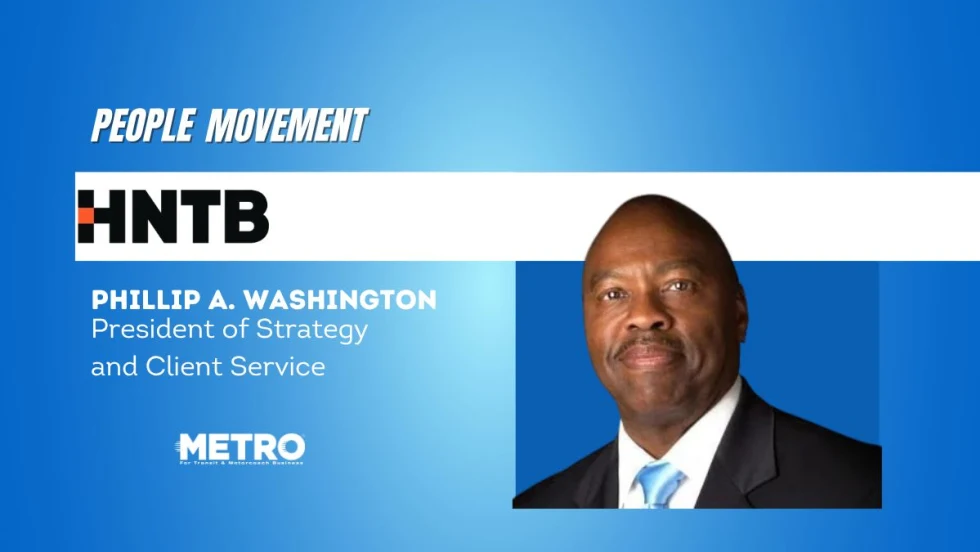
People Movement: Phil Washington Joins HNTB, Denver RTD Launches CEO Search, and More
In this edition, we also spotlight recent personnel moves at STV, the Eno Center for Transportation, and more, highlighting the people taking on new roles across the transportation industry.
Read More →
SEPTA Details Accelerate Vision for Transit System
The plan outlines investments in trolley modernization, new Metro and Regional Rail vehicles, accessible stations, and more frequent bus and rail service.
Read More →