Lewis is leading the agency through a significant stage of growth to construct the LYNX Blue Line Light Rail Extension and advance the CityLYNX Gold Line Phase 2 streetcar through final design and into construction.
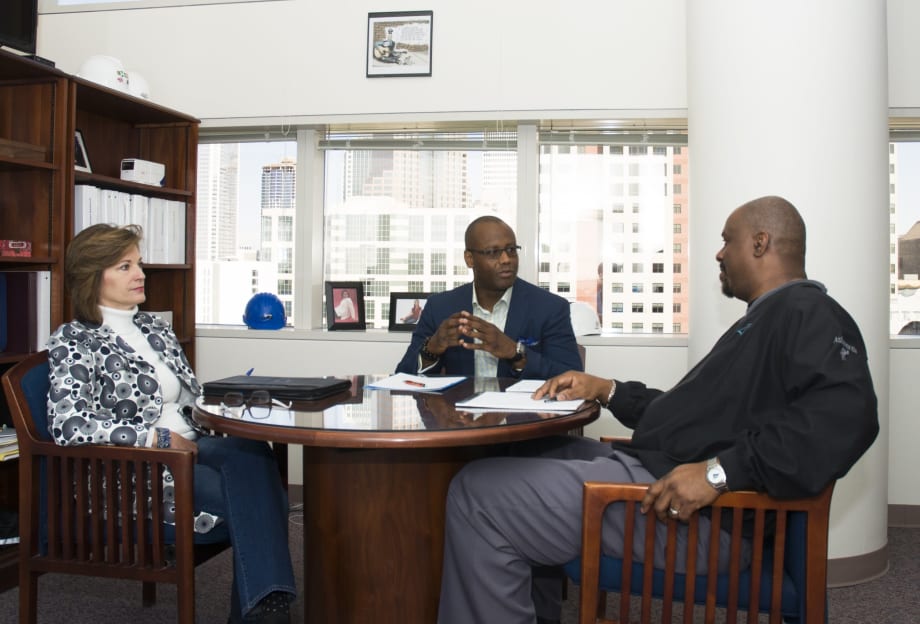
Although CATS has a dedicated funding source, Lewis (center) says his past experience working without a dedicated source allows him to look at things differently and develop creative strategies at the agency.
Photo: CATS
6 min to read
John M. Lewis is the CEO of the Charlotte Area Transit System (CATS). He arrived in September 2015 and is leading the agency through a significant stage of growth to construct the LYNX Blue Line Light Rail Extension, expand existing light rail platforms to accept three-car trains, and advance the CityLYNX Gold Line Phase 2 streetcar through final design and into construction.
His initial focus is on advancing the long-term transit plan, enhancing customer service to attract and retain customers, and ensuring a safe and reliable transit system for the region.
Ad Loading...
Lewis previously served as CEO of the Central Florida Regional Transit Authority (LYNX) where he provided strategic leadership to Central Florida’s primary mass transit system. During his tenure at LYNX, he oversaw two design-build projects for the expansion of Orlando’s LYMMO bus rapid transit line and managed three additional Alternatives Analysis Studies for the U.S. Route 192 Corridor in Osceola County, Route 50 Corridor in Orange County, and the final segment of the LYMMO study (North/South alignment).
Prior to his time with LYNX, Lewis held several leadership positions as the CEO of the Greater Richmond Transit Co. and director, rail operations and director, bus operations, with the Maryland Transit Administration.
He is a graduate of Allegheny College in Meadville, Penn., and holds a bachelor of arts in political science.
A Q&A with Lewis of CATS
METRO: What is your typical day at work like?
LEWIS: There is no typical day for me. Just like everyone else, I spend time getting organized at the start of the day, then attend meetings and finish up with tackling items that need my attention. But, that’s just the shell. My day is truly made up of looking at the big picture and all of the people and projects that bring the picture into focus.
Construction is going strong on the LYNX Blue Line Extension (BLE) Project, the CityLYNX Gold Line Phase 2 will begin construction this fall and we are working to move the Charlotte Gateway Station Project into design. And, we operate bus and rail service every day.
Ad Loading...
My goal each day is to ask myself and staff how we can deliver the rest of the 2030 Transit Corridor System Plan? How do we deliver premium mobility options to citizens and what is the best strategy? And, it’s the great people who make up CATS’ staff that handle the day-to-day demands that make it possible for me to think and act at a strategic level.
METRO: What is your greatest challenge on a day-to-day basis?
LEWIS: There’s not enough time in the workday to get it all done. Work-life balance is a struggle.
METRO: What is your favorite aspect of your job?
LEWIS: Being in the transit industry makes us uniquely lucky because we can measure what we do every day. Did we move our passengers from point A to point B safely and efficiently? We get the immediate gratification of moving thousands of people every day to places that are important to their lives. We also get to paint a canvas for the future and create long-term solutions.
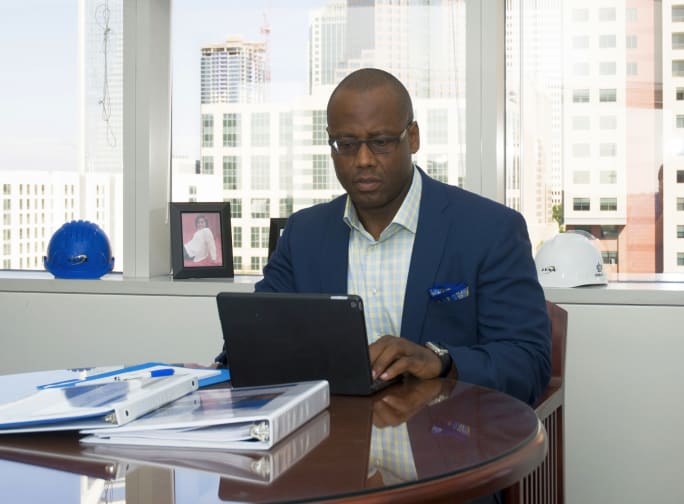
Lewis says valuable skills he learned during his tenure at the Maryland MTA include, crisis management, teamwork and accepting help.
Photo: CATS
METRO: What CATS project are you most excited about?
LEWIS: I’m excited about our transformative projects and the impact they’ll have, not only on mobility options, but economic viability and quality of life in our community. The LYNX Blue Line has been a catalyst to transform the surrounding south corridor. From 2005-2016, CATS is projecting approximately $1.4 billion in development. For the LYNX Blue Line Extension, $350 million is a conservative estimate of projected development, both under construction and proposed development. We believe the Charlotte Gateway Station will follow suit in its ability to help attract new development.
METRO: What experience(s) from your previous position with LYNX (or others) has helped you in your current position?
LEWIS: At LYNX in Florida, not having a dedicated revenue source forced us to be very creative in getting things done. CATS has a dedicated funding source, and I have an appreciation for this. Having experience working without that dedicated source allows me to look at things differently and develop some creative strategies at CATS. Mixed with CATS’ tried-and-true methods of getting things done, we are on the road to great successes.
Ad Loading...
Growing up, what career path did you see yourself following?
I was a political science major, and I was headed to law school to become the next Thurgood Marshall. On my way to becoming a fierce litigator, I had the opportunity to work in U.S. Senator Barbara Mikulski’s office. There, I fell in love with public service, and found myself on a new path.
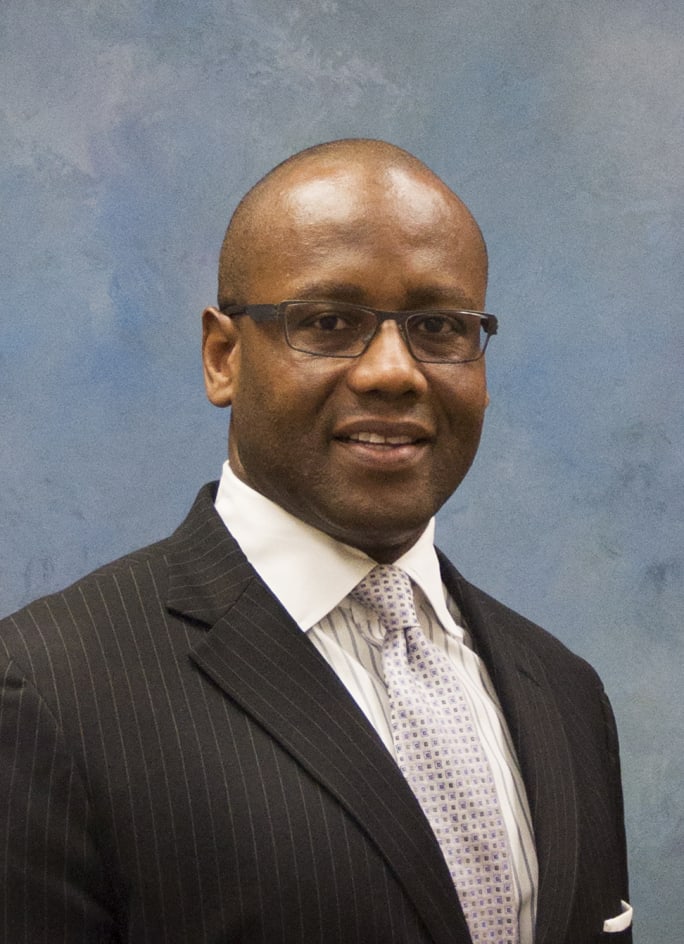
CATS CEO John Lewis.
Photo: CATS
METRO: What pivotal moment helped you get to where you are today?
LEWIS: Early on in my transit career, I worked for the Maryland Transit Administration in Baltimore. Our biggest problem at the time was wheels coming off of our buses. We tried everything we could think of, including replacing every wheel, brake, nut and bolt.
Nothing worked. Leadership was being terminated and morale was low. Our agency was struggling. I found myself at the helm of our system. I was fortunate enough to meet someone who helped us solve our problem. I learned about crisis management, teamwork and accepting help. These are valuable skills that have helped me progress in my career.
METRO: What mobile apps have you found to be helpful in your work, life?
LEWIS: Twitter. I like the ability to reach out and have conversations with customers in real time. The ability to solicit input and receive feedback in real time about performance is an invaluable management tool.
METRO: Who in the transit industry inspires you?
LEWIS: Eldridge Coles was the chief operating officer when I was CEO at Greater Richmond Transit Co. and took my place when I left. He was one of the first African-American bus operators with the system. He had been with GRTC more than 40 years and held every position from bus operator to CEO. Mr. Coles was a true inspiration to me.
LEWIS: This came from Mr. Coles. One day I was at my wits’ end about something, and he said, “Let’s go for a walk.” He told me no matter how bad it gets, at the end of the day our riders have gone to work, doctor appointments, picked up kids, etc. And, we helped them do that. He also reminded me not to get too full of myself. He explained that he and I had very little to do with actually transporting people. It was the people on the front line who did the real work.
METRO: What are your favorite pastimes/hobbies?
LEWIS: I am a Crossfit addict. I can lose myself in a good workout.
Contract Four is the largest in the Second Avenue Subway Phase 2 project and includes construction of station infrastructure, tracks, and signals for the subway expansion, MTA officials said. Work on Contract Four will begin in 2027.
The new regional transit authority appointed its first board chair and interim executive director while extending reduced fares across CTA, Metra, and Pace for eligible riders.
Reliability-Centered Maintenance helps transit agencies move beyond routine checklists to focus limited resources on the assets and failures that have the greatest impact on safety, reliability, and service.
The 90-day demonstration will deploy coordinated security teams at five light rail stations while testing controlled access and gathering data to guide future investments.
Learn about delivering 1300 gates at 91 stations while managing fare evasion. Explore the large scale deployment, solution customization and real-world results that affect the region. Prepare for deployment in your region now.
Between packed transit stations and team motorcoaches, see how agencies and operators across North America tackled the transportation demands of the 2026 FIFA World Cup.
The stopgap keeps federal transportation programs moving, but missing advance funding could complicate the transit and rail projects agencies are planning next.