



Redrawing the Lines of Transit Bus Services
The discussion featured transit professionals, academic researchers, and transportation consultants, sharing not only their perspectives on post pandemic local affects on agencies, but the overall shifts underway that each stakeholder needs to understand.

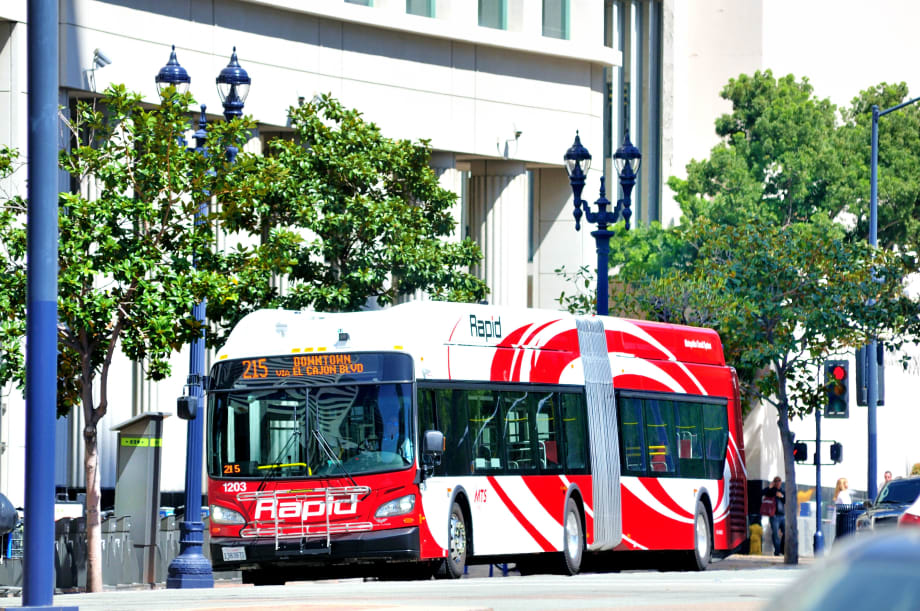
With so much uncertainty on what transit bus service nationwide will look like over the next 12 to 18 months and beyond, it is important to listen not only to your customers, but to your colleagues as well.
MTS
While the global pandemic has wreaked havoc on transit ridership, funding, and confidence nationwide, it has also accelerated underlying long-term trends that many agencies were only beginning to confront. This shared sentiment was one of many lessons learned from a live podcast panel discussion on The Future of Transit Bus Service in the U.S., presented by FleetMotum and the Chaddick Institute for Metropolitan Development at DePaul University. Our discussion featured transit professionals, academic researchers, and transportation consultants, sharing not only their perspectives on post pandemic local affects on agencies, but the overall shifts underway that each stakeholder needs to understand.
Here are five key takeaways from our session:
1. The Funding Gap will Get Worse in FY2021
According to Steven Brown, project manager at HNTB, an employee owned infrastructure consulting firm serving the public transit space, “approximately 30% of revenues for transit bus services came from passenger fares.” The inability to collect fares for several months in favor of safety for both operators and passengers as well as having only a percentage of their ridership return in subsequent months caused a significant negative impact. However, with COVID-19 arriving late in the 2020 fiscal year, the full long-term affects are only being realized now during the 2021 fiscal year. Coupled with the economic slowdown cusing depressed municipal and state sales revenues, a large contributor to transit funding, “hard choices and significant changes lie ahead.”
2. Realigning Services & Resources to Purpose of Travel
Naomi Klein, director, transportation planning, at the Westchester County (NY) Department of Planning, which manages The Bee-Line system, said their systemwide decrease in varied based on the orientation of the individual lines. From her observation, “routes that connected to Metro-North plummeted to less than 20% of pre-COVID ridership, while routes to NYC subway lines, which comprised 63% of overall ridership, saw less of a decrease, as those riders were more transit dependent in nature.” While those impacts are significant, the pandemic underlined and accelerated emerging trends affecting transit across the country, as Bee-Line ridership steadily decreased from a high point in 2013 when 33 million passengers used their service to 26 million passengers in 2019. She believes “ridership to NYC will return in the form of discretionary leisure trips, but actual commuting ridership is unknown.”
3. Population shifts will define long term industry trends and service delivery
“We need a better handle on the long-term impact on the economy in order to properly plan transit services,” says Adelee Le Grand, VP, strategic planning, at TransDev North America. After all, people who depend on transit often work in professions that are affected by economic shifts, most notably frontline workers. Those working in service-related industries have been impacted by online shopping and remote working habits to the point that they maybe displaced by job loss and need to move. These effects bring important questions that relate directly to transit planning and where and how service is implemented such as, “where do these people go,” and “what is considered more affordable housing?” Another important trend identified was the rise of “home based trip riders” who now travel at different times during the day versus traditional commuting hours. If there is a change in geographical density,” shifting to population need becomes the best way to serve demand.” To do this, she infers that agencies may look to other modes through a “toolbox approach” to support the community moving forward.
4. Micromobility and microtransit is a core part of the future of public transit
In line with a varied approach to delivering transit to riders, Ryan Ruehle, a Rapid Transit Corridor Planner for Pace Suburban Bus in the Chicago area, says that “microtransit and micromobility is a key factor in the future of transit planning.” This strong statement stems from the long-standing issue of how to deal with lower population density and coverage areas properly. Echoing the sentiments of his peers on the panel, he explained how the pandemic shifted where people are travelling to and the need to adapt accordingly will be crucial to the long-term viability of transit overall. This involves rethinking the traditional approach to fixed route services, even in areas that see little ridership due to limited frequency and scope. While the pandemic has allowed Pace Suburban to take a fresh look at service standards, a core question remains,” how do you speak greater productivity while attracting new riders.”
5. Opportunity to attract new riders to transit
Dan Hibbert, division chief of the Division of Transit Services for Md.’s Montgomery County Department of Transportation and its Ride On system, shared a piece of good news, “the biggest positive through the pandemic was the sharp increase in kids riding buses.” In Montgomery County, Md., bus travel is free for all kids under the age of 18, which provided a unique opportunity for the Ride On system to introduce new riders to public transit. While this was a positive development, it also presented other unforeseen challenges as they had completely different travel patterns that required the operation to adapt and adjust service accordingly. Building a pipeline of future passengers, where they get to see, experience, and build a relationship with different travel modes will be crucial for the long-term survival of bus service and public transit as a whole.
With so much uncertainty on what transit bus service nationwide will look like over the next 12 to 18 months and beyond, it is important to listen not only to your customers, but to your colleagues as well. By bringing together our collective knowledge and experiences, we can help ensure the long-term survival and viability of public transit for generations to come.
More Blog Posts
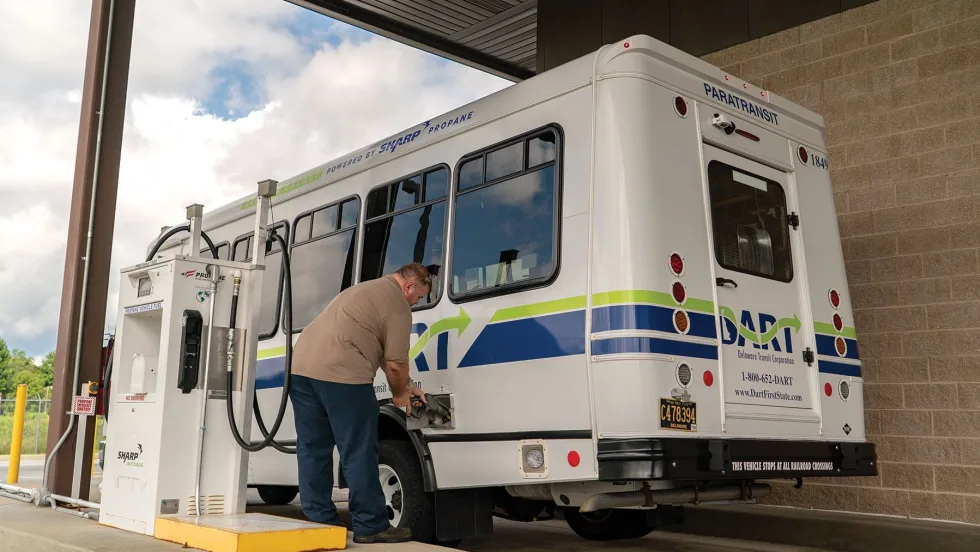
Building a Winning FTA Grant Proposal: Why Propane Autogas is the Pragmatic Choice for Fleet Resilience
With $610 million available through the FY 2026 Buses and Bus Facilities Competitive Program and the Low or No Emission Grant Program, agencies must build a compelling case before the September 21 deadline that balances environmental compliance with operational feasibility.
Read More →
Velo-city Conference 2026: Latest Trends in Cycling as Part of Urban Mobility
The global cycling conference highlighted how cities are integrating bicycles into multimodal transportation networks, expanding cycle tourism and reshaping urban mobility.
Read More →
Kindness Isn’t Soft...It’s Strategic.
Mike Bismeyer — often known as “The Kindness Guy” — has spent more than 17 years in public transit and mobility, serving in industry leadership roles, speaking across North America, and advocating for stronger workplace cultures. But his message doesn’t come from theory. It comes from lived experience.
Read More →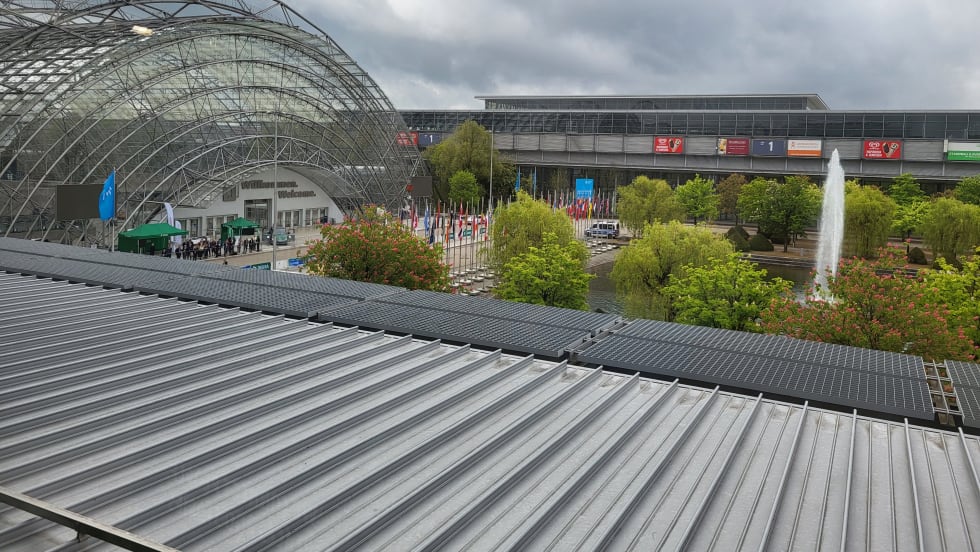
Inside ITF 2026: Transport Reacts to A Challenging World
Transport leaders from around the world gathered in Leipzig, Germany, for the 2026 International Transport Forum to discuss resilience, climate impacts, supply chains and the future of sustainable mobility.
Read More →
Every Ride Tells a Story — But You’re Not Just Selling the Ride
You’re selling the moment, the meaning, and the emotion behind it.
Read More →
How Digital Signage is Reshaping the Traveler Experience at Transportation Hubs
What was once a landscape of static signs has evolved into a responsive, immersive environment powered by real-time visual communication.
Read More →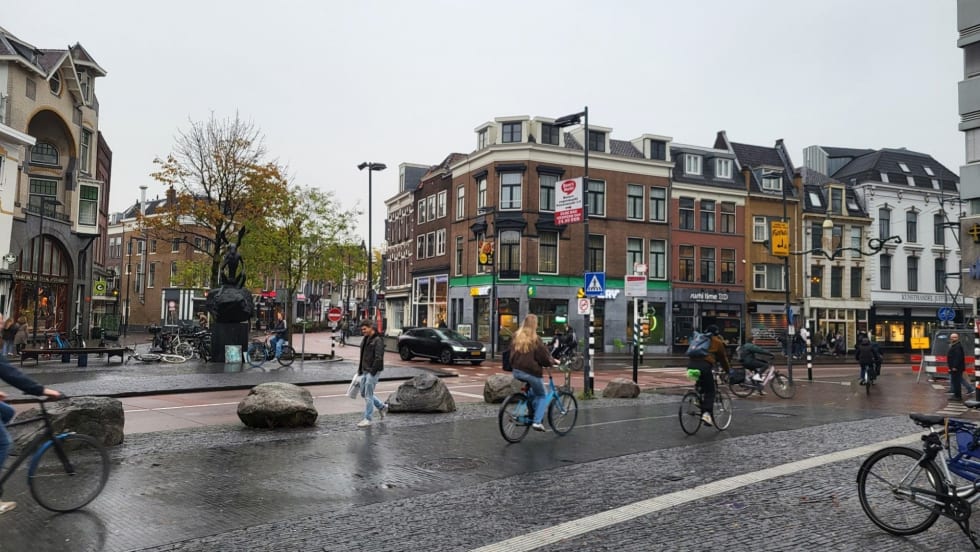
Latest Trends in Urban Mobility from Polis Conference 2025
Polis comprises cities and regions, as well as corporate partners, from across Europe, promoting the development and implementation of sustainable mobility. This year’s event had over a thousand attendees across various policy forums and an exhibition.
Read More →
Why Transit Leaders Require Better Tools for Operational Clarity In Today’s Tech-Fragmented Environment
Across North America and beyond, transit agency officials are contending with a perfect storm of operational headaches and strategic challenges that hamper daily service and long-term progress.
Read More →
The Powerless Brokers: Why California Can’t Build Transit
It is no secret that transit in the U.S. is slow and expensive to build.
Read More →
Why Transport Sustainability Should Focus on People Instead of Cars
Simply incentivizing electrification is not enough to make a meaningful impact; we must shift our focus toward prioritizing public transportation and infrastructure.
Read More →