



L.A. Metro's LIFE Program Hits 250K Enrollments
The LIFE program helps qualifying Los Angeles County residents save money by providing free rides or deeply discounted fares on 13 transit systems across Los Angeles County.

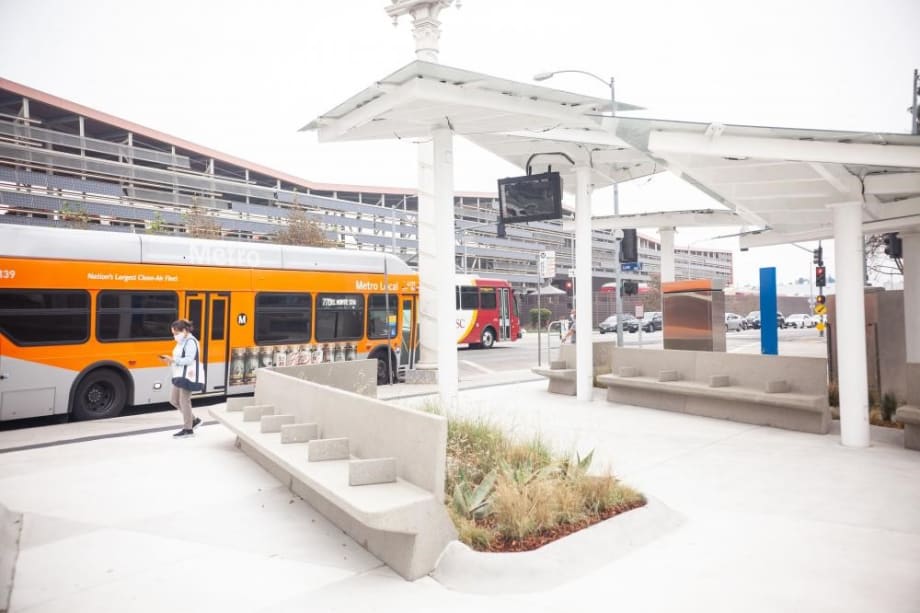
Metro launched an improved LIFE program in 2019, which has provided more than 17 million free or discounted rides on 13 transit systems since late 2021.
LA Metro
The Los Angeles County Metropolitan Transportation Authority’s (Metro) Low-Income Fare is Easy (LIFE) program has achieved over 250,000 enrollments. The LIFE program helps qualifying Los Angeles County residents save money by providing free rides or deeply discounted fares on 13 transit systems across Los Angeles County.
Metro launched an improved LIFE program in 2019, which has provided more than 17 million free or discounted rides on 13 transit systems since late 2021.
To qualify for LIFE, an applicant must be 18 years or older and earn $44,150 a year or less, as defined by the Department of Housing and Urban Development (HUD). Applicants who are under the age of 18, must be enrolled with an adult as head of the household. For a family of four, the income threshold is $63,050. Those new to the program will receive a free 90-day pass.
After the first 90 days, riders can either load 20 free rides or purchase a discounted pass from any of the 13 LIFE participating transit agencies.
“Public transportation is an everyday lifeline for Angelenos, and as a result of the LIFE program, we’re helping make Metro more accessible and affordable for L.A. County residents,” said Los Angeles Mayor and Metro Board Chair Karen Bass. “Whether riders are headed to school, the office, visiting friends and family, or to a favorite destination, we want to ensure that everyone has the means to access public transportation.”
Growing the LIFE Program
Since January 2022, Metro has hired 24 community-based organizations to assist with the dissemination of LIFE collateral materials across L.A. County. Late last year, Metro established a pilot program with the Department of Public Social Services (DPSS), where case workers shared details about the program and to date, more than 13,000 people have enrolled.
“Transportation is the second largest household expense behind housing, and we’re committed to reducing those costs for families,” said Metro CEO Stephanie Wiggins. “We’ve focused on expanding LIFE Program participation over the last two years, nearly tripling participation in the last two years. Our work continues as we strive to enroll even more people in the LIFE program through partnerships with community-based organizations and local governments.”
Metro’s LIFE Partners
The LIFE program works with two administrators: FAME Assistance Corporations, a community partner and leader in addressing social and economic inequalities affecting low-income, underserved communities in Los Angeles, and the International Institute of Los Angeles (IILA) who are responsible for screening eligibility, outreach, accountability, transportation subsidy security, record keeping training, and procedures for distributing transportation subsidies such as taxi vouchers.
The administrators partner with more than 150 agencies in their respective areas to support enrollments, outreach, and distribution of four-ride tickets and taxi vouchers to help riders get to doctor visits, shelters, food banks, and other appointments.
More Management

From Surviving to Thriving: Building Stronger Transportation Organizations
Bus Business Consultants founder Brian Dickson shares lessons on leadership, organizational health, and creating options for long-term success in a changing transportation industry.
Read More →
Everett Transit, Community Transit Outline Consolidation Agreement
The proposed agreement calls for a 50% increase in bus service in Everett, a new microtransit zone, continued paratransit service, and the transfer of Everett Transit operations to Community Transit.
Read More →
Strada360’s Steve Lassey on Turning Transit Data Into Better Decisions
From breaking down data silos to preparing for AI, Strada360 CEO Steve Lassey discusses how transit agencies can use technology to improve operations, customer information, and long-term decision-making.
Read More →
People Movement: Phil Washington Joins HNTB, Denver RTD Launches CEO Search, and More
In this edition, we also spotlight recent personnel moves at STV, the Eno Center for Transportation, and more, highlighting the people taking on new roles across the transportation industry.
Read More →
SEPTA Details Accelerate Vision for Transit System
The plan outlines investments in trolley modernization, new Metro and Regional Rail vehicles, accessible stations, and more frequent bus and rail service.
Read More →
FTA Ends Direct Oversight of MBTA Safety Actions
The federal agency closed its remaining special directive to the Massachusetts Department of Public Utilities following a safety review that began in 2022.
Read More →
Report: Transit Bus Manufacturing Supports 34,100 Jobs, $5.1B in GDP
The “Buses Mean Business” report examines the transit bus manufacturing industry’s economic footprint, supply chain, and rising demand for vehicle replacements.
Read More →
LIT Marks 10-Year Milestone at Annual Summit
Hosted by the COTA from September 10 to 13, the Summit carried the theme “Celebrating 10 Years of Excellence, Leadership, and Impact,” with every part of the program honoring the people, agencies, and partners who built LIT over its first decade.
Read More →
People Movement: Dan Dipert Coaches Adds Third-Generation Leader, Keolis Names New Valley Metro VP/GM, and More
In this edition, we also cover recent appointments and announcements at the Wabtec, SilverRide, HNTB, and more, showcasing the individuals helping to shape the future of transportation.
Read More →
METRO Opens Submissions for 2026 Motorcoach Awards
Nominations are now being accepted for METRO Magazine’s Operator of the Year and Innovative Operator of the Year awards.
Read More →