The transit industry has both embraced and allowed the singular definition of value to be that of ridership. Ridership goes up somehow the industry did something great.
Just a couple of weeks ago, more than a dozen TransDASH subscribers came together to attend their first ever Performance Summit, which was hosted by Long Beach Transit.
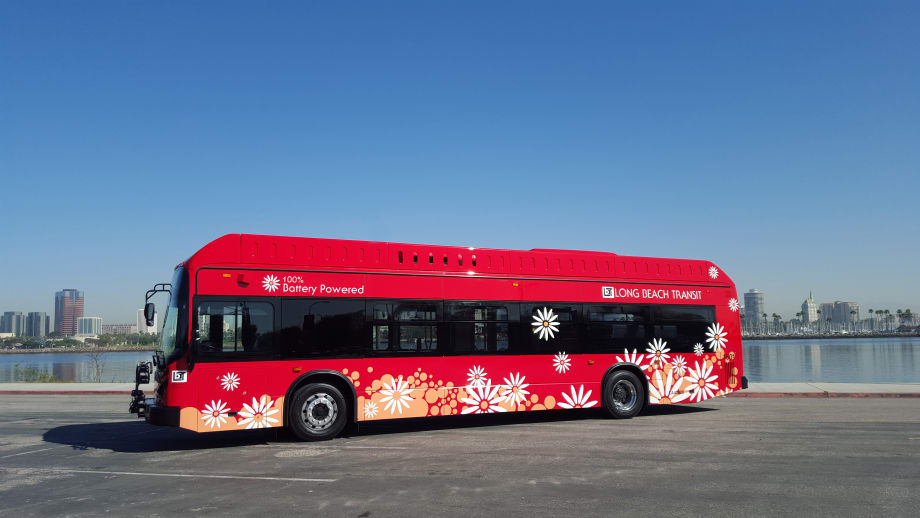
Photo: Long Beach Transit
3 min to read
The transit industry has both embraced and allowed the singular definition of value to be that of ridership. Ridership goes up somehow the industry did something great.
The reality is for decades the largest positive impact on transit ridership growth is the price of a gallon of gas — something the industry has no impact on. And yet, revenue from public transportation went to its highest level when ridership was actually its lowest.
Ad Loading...
So the reasonable question is — what have we been missing? We get the most revenue when our self-proclaimed metric of value is at its lowest. And the largest impact on that value we have no role in.
Discussing “Performance”
Just a couple of weeks ago, more than a dozen TransDASH subscribers came together to attend their first ever Performance Summit, which was hosted by Long Beach Transit. This was a gathering of like-minded executives committed to leading their organizations from a position of measurable results.
The excitement, pride, and pioneering spirit of those leaders brought all of us energy.
Ken McDonald, the CEO of our host agency, shared how his team produced the highest service effectiveness.
India Birdsong Terry, GM/CEO of Cleveland’s RTA, shared how she and her team have worked with both purpose and budget to create the highest Community Relevance, regardless how many people ride their service.
Ad Loading...
Jon Gary Herrera, the sr. VP, public engagement, for San Antonio’s VIA Metropolitan Transit, shared how they have managed to produce the highest Net Promoter Score and the greatest improvement in Net Promoter Score. Talk about a culture committed to results.
Carm Basile, the CEO of the transit agency in Albany, N.Y., shared how they have changed their approach to storytelling using facts and have produced 85% of the community finding value in their agency.
Looking Past Ridership
It was a room full of leaders that recognize the objective isn't to "recover ridership" but rather to ensure a measurable high quality customer experience, and deliver a quality of service where, even if less than 5% of people use the transit service, more than 80% find value in the service.
As we designed the Performance Summit with these agencies we had four objectives in mind:
Objective, Fact-Based Results – This was not a panel of opinions. None of the agencies had to "apply" for their recognition. It was objectively true. There was an answer. San Antonio has the highest Net Promoter Score. Cleveland has the highest community relevance. Period. We can learn from them. Immediately.
Outcome Based – This wasn't about input. On-time performance is an input. Customer satisfaction is an outcome. The goal isn't to be on time. Happier customers are the goal. It wasn't about the effort, the projects, the noise. Did you score enough points to win the game?
Value Centered – This wasn't about whether the physical assets are okay (think State of Good Repair). Rather, it was about whether the individuals (customers and employees) are OK. Does the agency produce value? Measurable value?
Recognize Progress – And while recognizing the highest performers was great excitement, the reality is recognizing those agencies that demonstrated the greatest improvement in categories like Access, Equity, and Customer Satisfaction was of equal value.
Ad Loading...
The reality is for decades the largest positive impact on transit ridership growth is the price of a gallon of gas — something the industry has no impact on.
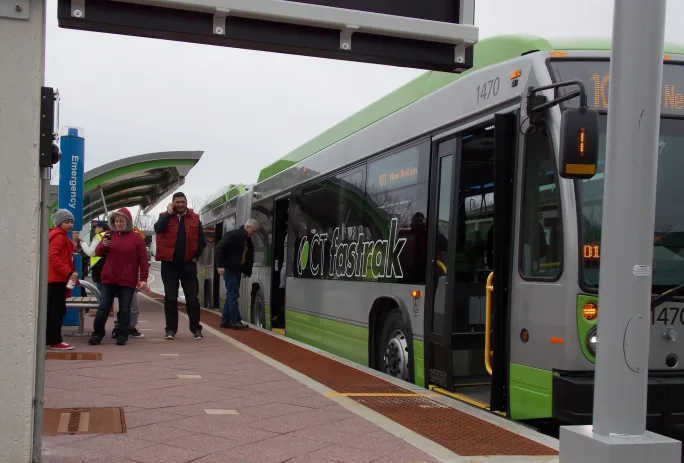
Photo: CTTransit
The Performance Summit
Colleague agencies were able to learn, essentially in real time, the techniques various organizations are employing to produce real measurable results for their community. Not simply actions, programs, nor projects, but real results.
In 2025, the TransDASH Performance Summit will be held on the East Coast with our newest subscriber, the City of Greensboro, N.C.
If you're interested in learning more how these organizations are changing the conversation in their communities from one of volume to one of value and inspiring the entire industry to modernize the definition of value, please let us know and we'd be happy to demonstrate the power of TransDASH.
With $610 million available through the FY 2026 Buses and Bus Facilities Competitive Program and the Low or No Emission Grant Program, agencies must build a compelling case before the September 21 deadline that balances environmental compliance with operational feasibility.
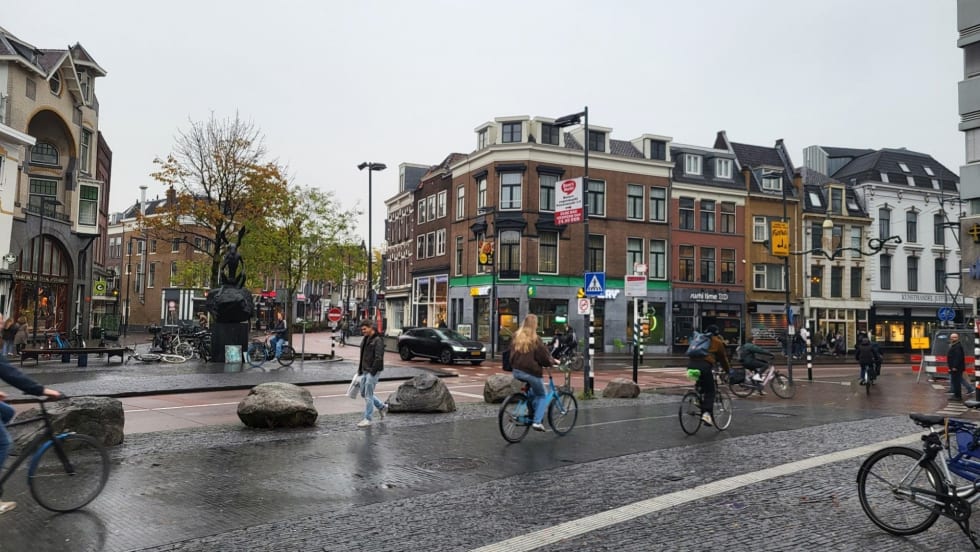
The global cycling conference highlighted how cities are integrating bicycles into multimodal transportation networks, expanding cycle tourism and reshaping urban mobility.
Mike Bismeyer — often known as “The Kindness Guy” — has spent more than 17 years in public transit and mobility, serving in industry leadership roles, speaking across North America, and advocating for stronger workplace cultures. But his message doesn’t come from theory. It comes from lived experience.
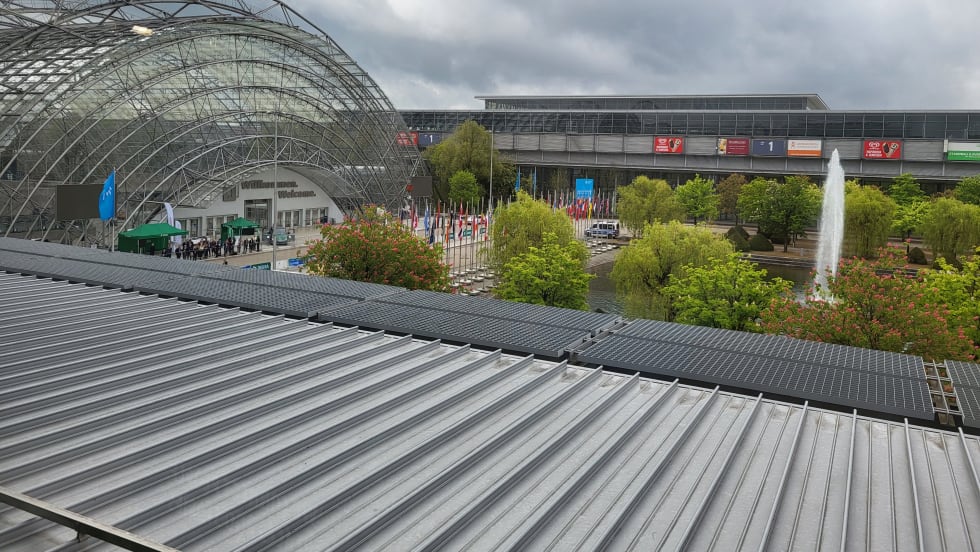
Transport leaders from around the world gathered in Leipzig, Germany, for the 2026 International Transport Forum to discuss resilience, climate impacts, supply chains and the future of sustainable mobility.
Polis comprises cities and regions, as well as corporate partners, from across Europe, promoting the development and implementation of sustainable mobility. This year’s event had over a thousand attendees across various policy forums and an exhibition.
Across North America and beyond, transit agency officials are contending with a perfect storm of operational headaches and strategic challenges that hamper daily service and long-term progress.
Simply incentivizing electrification is not enough to make a meaningful impact; we must shift our focus toward prioritizing public transportation and infrastructure.